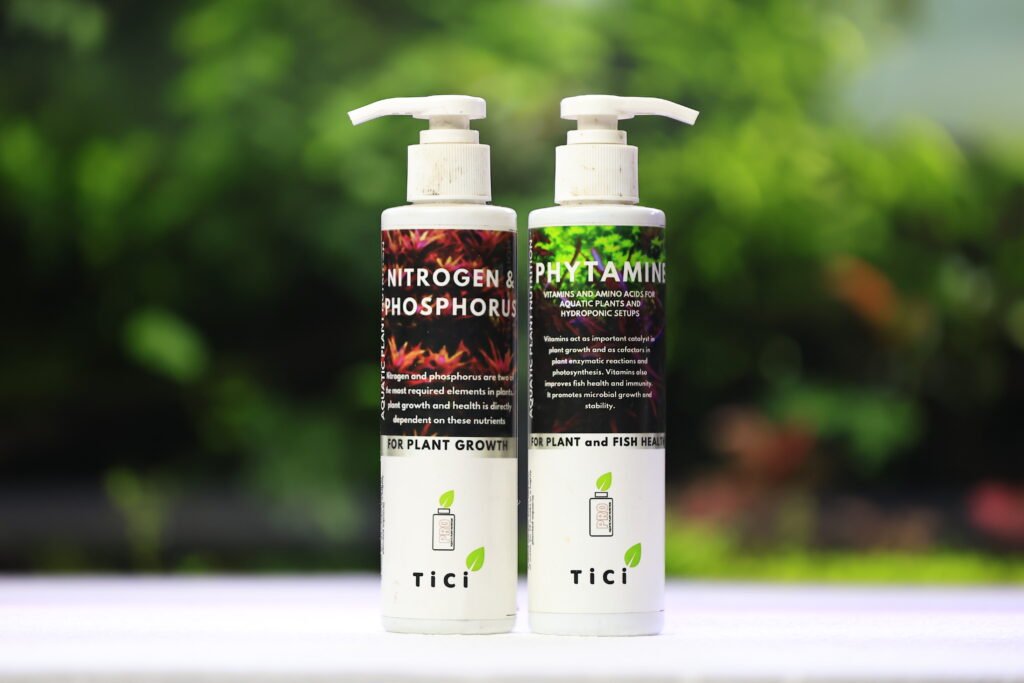
A successful planted aquarium depends not only on lighting and design but also on a well-balanced fertilization strategy. Aquatic plants require essential nutrients for growth, coloration and overall health. Understanding how to manage these nutrients is key to maintaining a stable and thriving aquascape.
- Nutrients
- May 11, 2026
- 107 views
The Beginner’s Guide to Planted Tank Fertilization
Understanding Plant Nutrient Requirements
Aquatic plants rely on three primary macronutrients:
- Nitrogen (N): Promotes leaf growth and overall development
- Phosphorus (P): Supports root development and energy transfer
- Potassium (K): Enhances metabolic functions and plant strength
In addition, micronutrients such as iron (Fe), magnesium (Mg) and trace elements are required in smaller quantities but are equally critical for proper physiological functioning.

Types of Fertilizers
- Liquid Fertilizers: These are added directly to the water column and are ideal for plants that absorb nutrients through their leaves, such as stem plants and mosses. Regular dosing ensures consistent nutrient availability.
- Root Tabs: Root tabs are nutrient-rich capsules inserted into the substrate. They are particularly beneficial for heavy root feeders like Amazon swords and Cryptocoryne species.
- Complete Fertilizers: These formulations contain both macro and micronutrients, simplifying the fertilization process for beginners and ensuring balanced nutrient supply.
Fertilization Methods
Estimative Index (EI) Method: This widely used approach involves dosing excess nutrients during the week, followed by a large water change to reset nutrient levels. It reduces the risk of deficiencies and allows for predictable plant growth.
Lean Dosing Method: In contrast, lean dosing supplies nutrients in smaller, controlled amounts to prevent excess buildup. It requires careful monitoring but can help limit algae growth.
Factors Influencing Fertilization
- Lighting Intensity: High light increases nutrient demand
- CO₂ Availability: Pressurized CO₂ systems significantly boost plant growth and nutrient uptake
- Plant Density: Heavily planted tanks require more frequent dosing
- Substrate Type: Nutrient-rich substrates may reduce the need for additional fertilization initially
Common Deficiency Symptoms
- Yellowing leaves: Nitrogen or iron deficiency
- Stunted growth: Lack of phosphorus
- Holes in leaves: Potassium deficiency
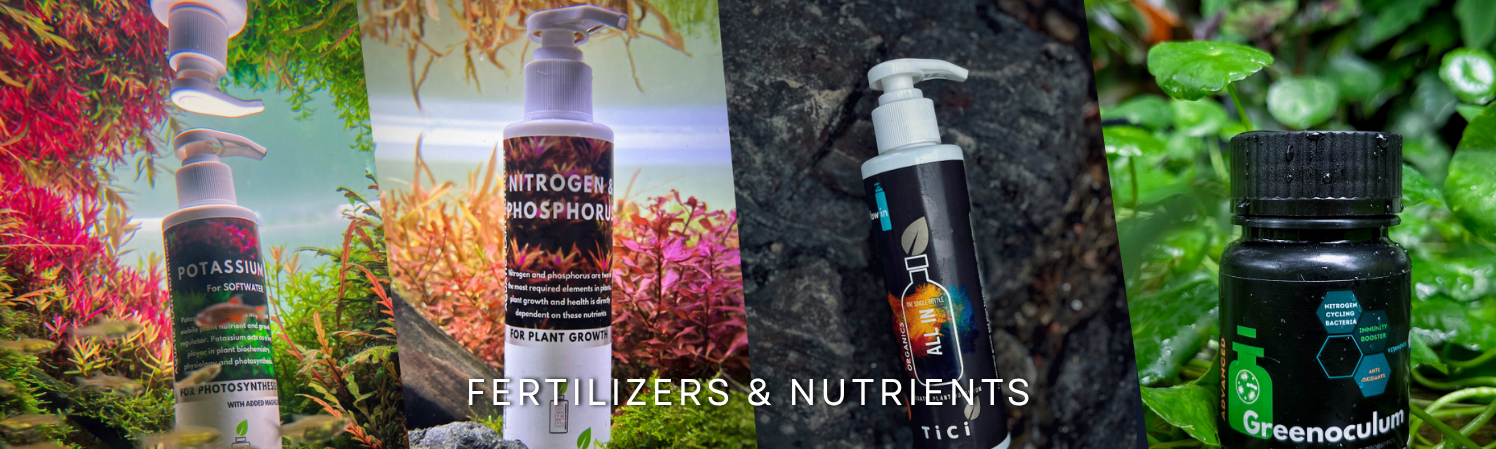
Early identification of these signs helps in timely correction and prevents long-term damage. Give your aquatic plants the nutrients they deserve with our premium aquarium fertilizers — specially formulated to support vibrant growth, rich coloration, and a thriving underwater ecosystem. Explore the collection at TiCi Aquarium Fertilizers
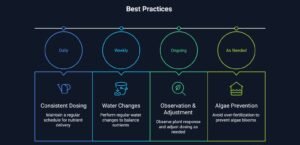
Conclusion
Fertilization is a fundamental aspect of planted tank management that directly influences plant health and aquascape aesthetics. By understanding nutrient requirements, choosing appropriate fertilizers and adopting a suitable dosing method, aquascapers can create a balanced and vibrant underwater ecosystem.
(Build a healthier and more vibrant planted aquarium — discover premium aquascaping essentials and plant care solutions at TiCi Shop)