Explore Amar Salvi’s inspiring visit to TiCi NatureLab as he witnesses the transformation of one of India’s largest nature gallery concepts featuring rainforest ecosystems, freshwater aquariums, marine macro algae environments, terrariums, paludariums and an insightful live podcast with founder Amartya Ghosh.
- Workshops & Education, Indoor Green Systems, Outdoor Green systems
- May 26, 2026
- 2148 views
Amar Salvi Explores One of India’s Largest Nature Gallery Concepts at TiCi NatureLab
Introduction
What happens when nature, science, ecosystem design, and education come together under one roof? TiCi NatureLab is answering that question by creating immersive living environments that reconnect people with the natural world.
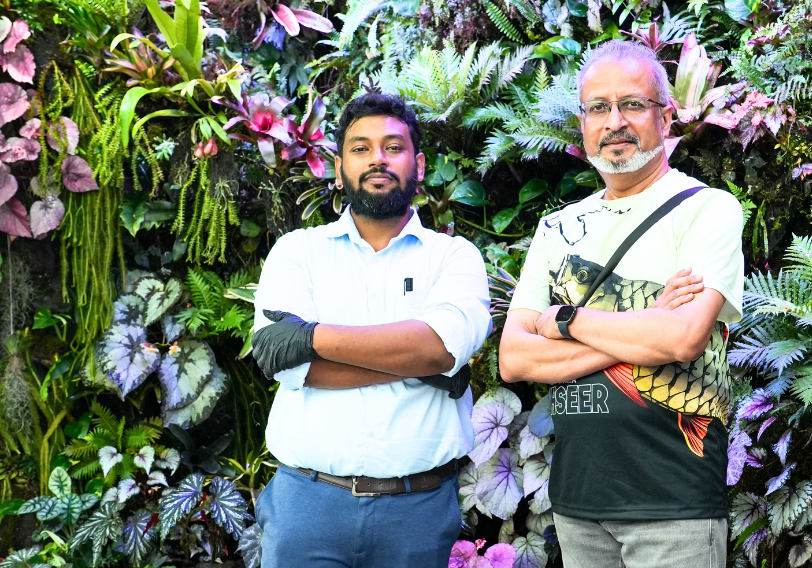
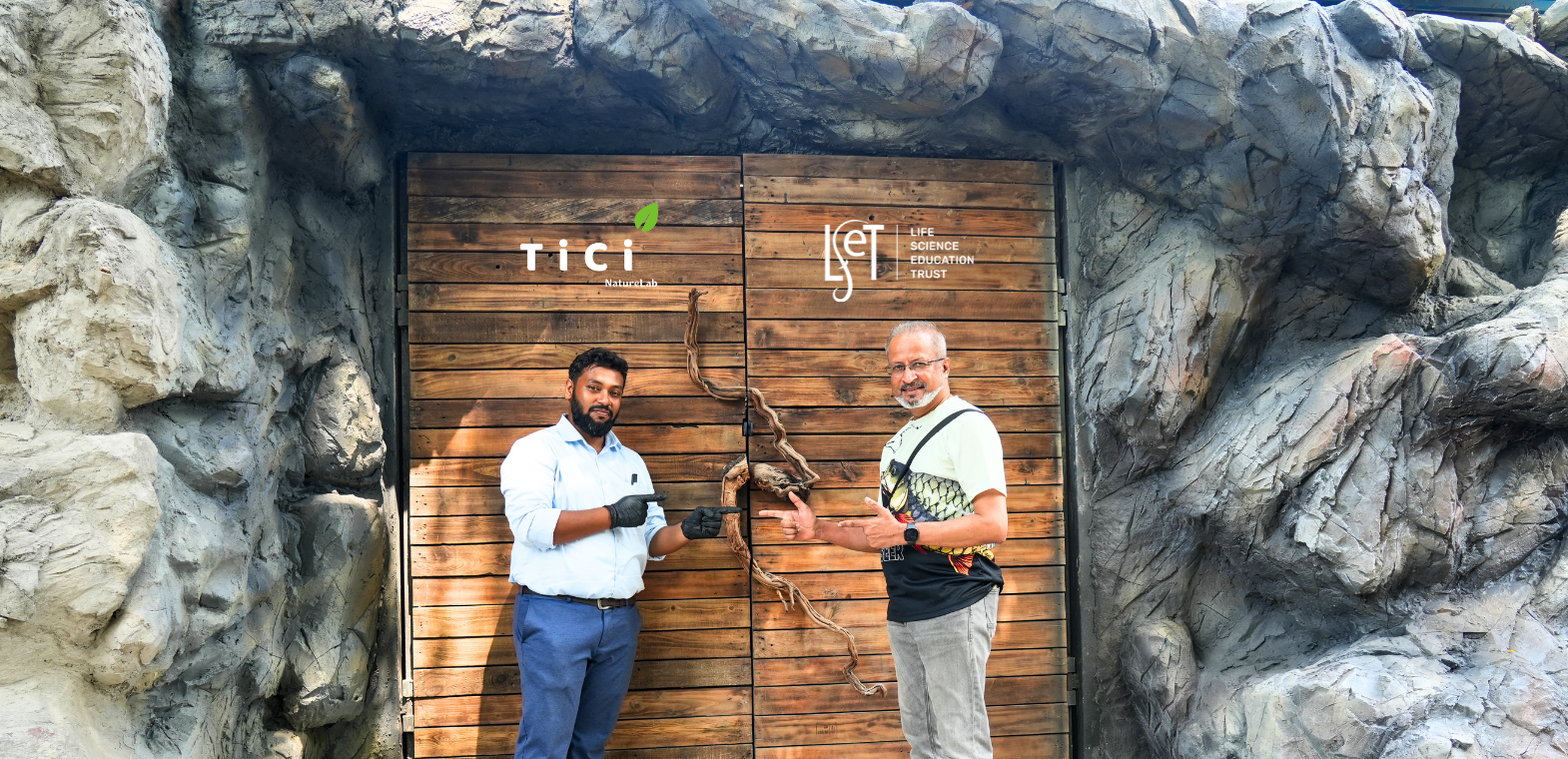
On 23rd May 2026, renowned aquascaper and nature enthusiast, the Founder and Chief Editor of The Weekend Aquarist, Mr. Amar Salvi visited TiCi NatureLab and explored its rapidly evolving ecosystem spaces. Having visited the gallery one year earlier, he witnessed an extraordinary transformation in 2026 as TiCi NatureLab expanded into one of India’s largest nature gallery concepts featuring freshwater aquariums, marine macro algae ecosystems, rainforest environments, vertical green walls, terrariums, phytosphere concepts and paludariums.
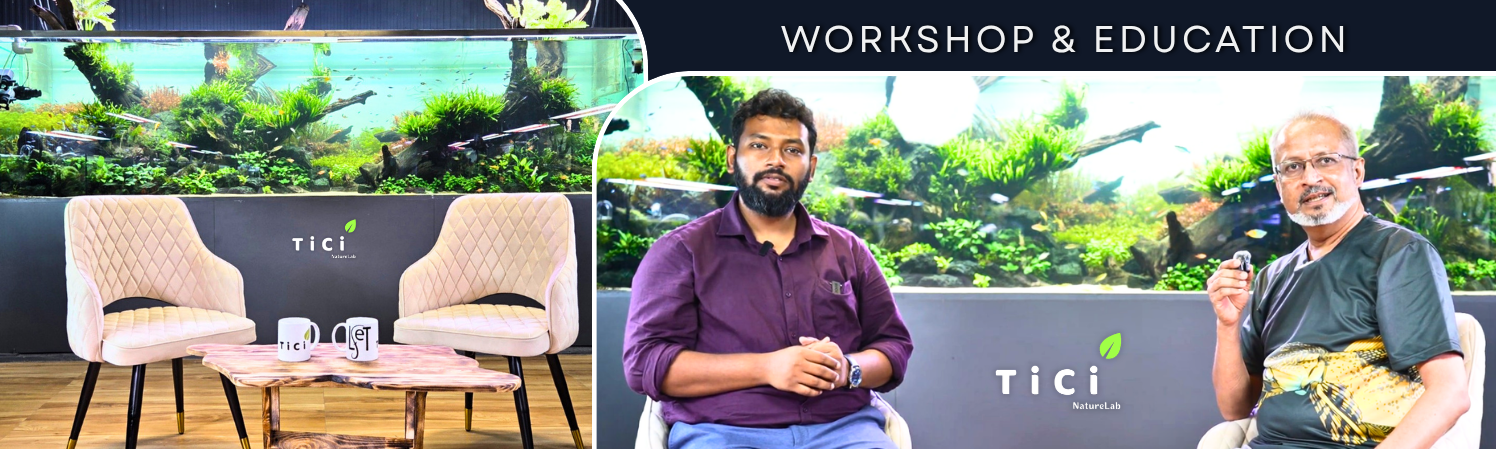
The visit also included an engaging podcast session with the Founder and Director of TiCi NatureLab, Mr. Amartya Ghosh, where both discussed the biological vision, ecological importance, ecosystem challenges and purpose behind creating such immersive nature-based experiences.
A Massive Transformation Within One Year
One of the most remarkable moments of Amar Salvi’s visit was witnessing how dramatically TiCi NatureLab had evolved within just a single year.
What was once an expanding idea has now transformed into one of India’s largest nature gallery concepts, designed to blend biology, aquascaping, environmental awareness and immersive ecosystem storytelling into a single experience.
As Amar Salvi walked through the gallery, he shared his thoughts on the incredible change and appreciated the dedication behind building such diverse living ecosystems.
The gallery now includes:
- Freshwater planted aquarium divisions
- Marine macro algae ecosystem setups
- Indoor rainforest environments
- Urban vertical green walls
- Terrariums and phytosphere concepts
- Paludariums combining aquatic and terrestrial ecosystems
- Natural rock structures and planted displays
Each ecosystem space reflects careful planning, scientific understanding and artistic presentation while encouraging visitors to connect more deeply with nature and biodiversity.
Exploring Rainforest Ecosystems and Vertical Green Walls
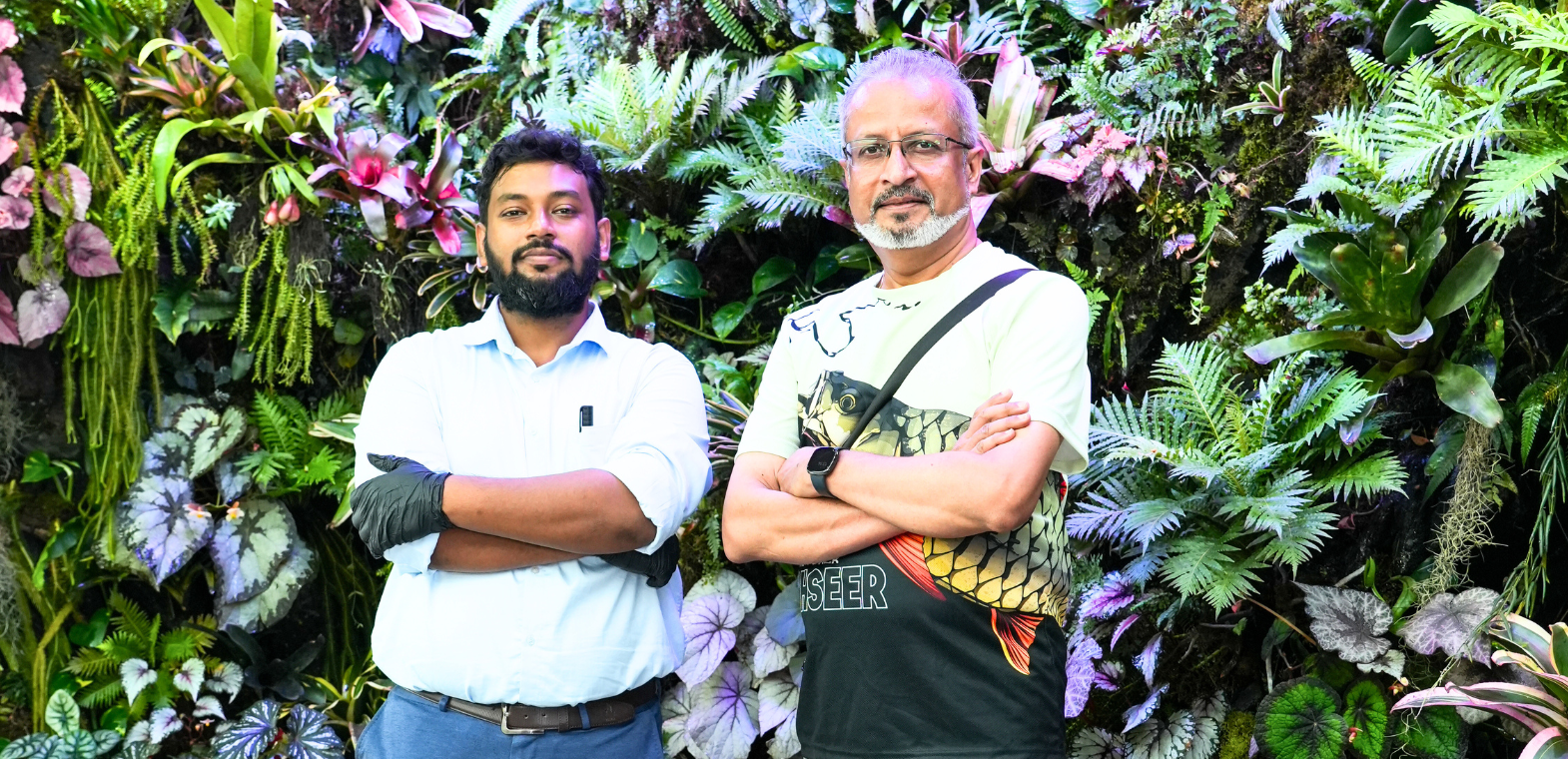
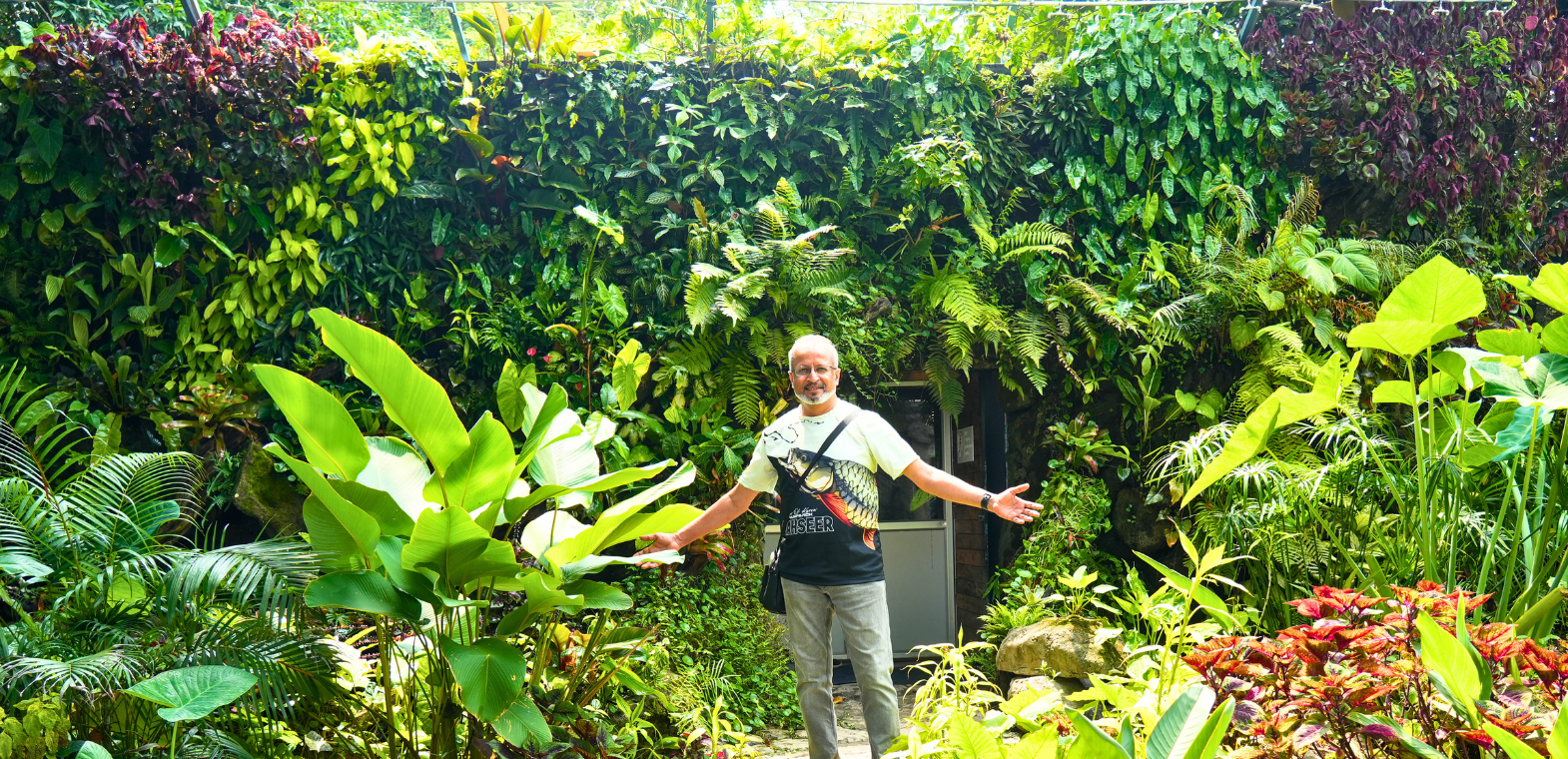
During the walkthrough, Amar Salvi explored the rainforest-inspired
sections filled with tropical plants, layered vegetation, natural
textures, and humidity-loving species.
These rainforest ecosystems recreate the feeling of natural habitats
indoors while demonstrating how balanced ecosystems can thrive within
controlled environments.
Another major highlight of the visit was the vertical green wall
installations. These living walls are not only visually immersive but
also represent sustainable and nature-inspired design concepts for
modern spaces.
The discussions around these systems focused on:
- Plant sustainability indoors
- Ecosystem balance and humidity control
- Long-term maintenance of living walls
- Nature-inspired environmental design
- The importance of greenery in urban environments
The interaction reflected TiCi NatureLab’s mission of integrating nature into modern lifestyle spaces through immersive ecosystem concepts.
Freshwater and Marine Ecosystems Draw Attention
The freshwater and marine ecosystem divisions became one of the most engaging parts of the visit.
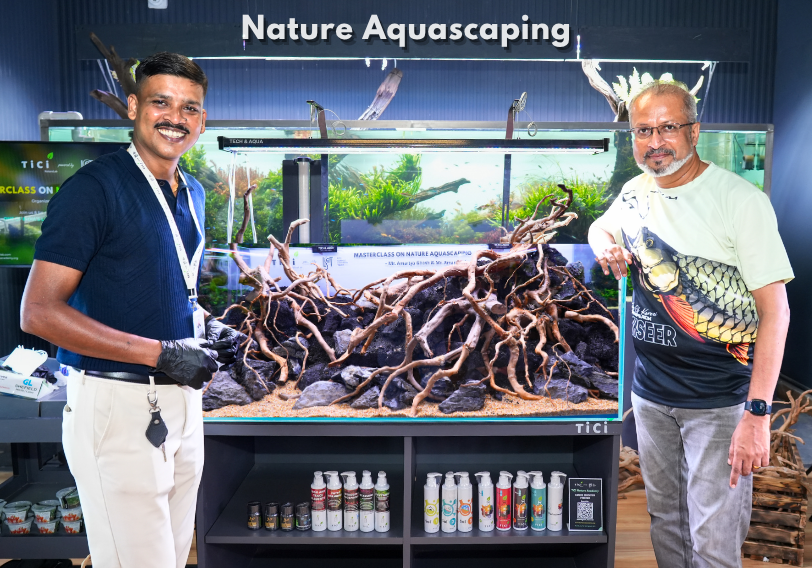
The freshwater planted aquariums featured lush aquatic plantations, nutrient-rich substrates, carefully arranged hardscapes and biologically balanced aquatic systems. One of the standout attractions was the Nature-style planted aquarium named ‘Whispering Root’ which became a major discussion point during the walkthrough.
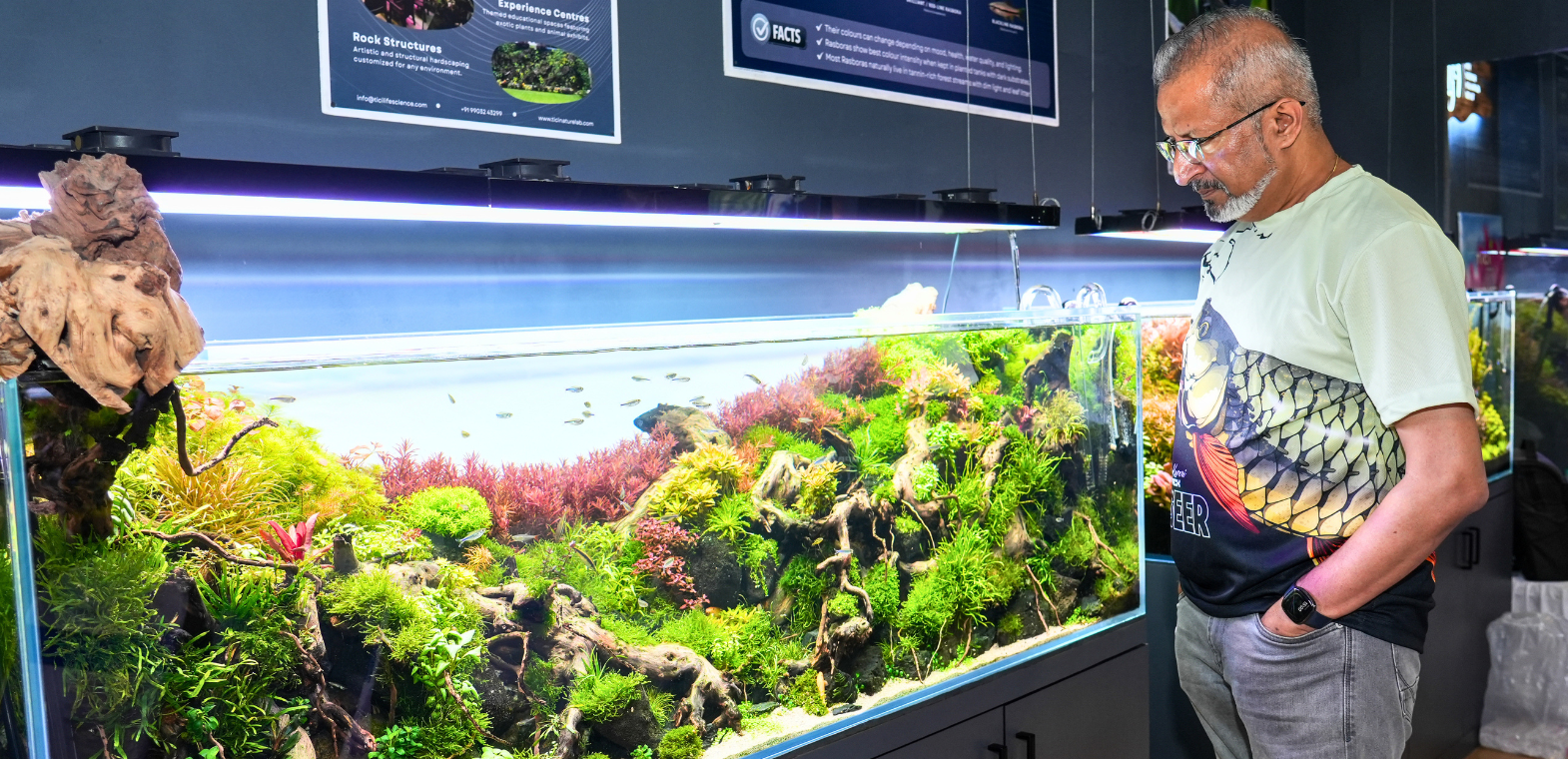
Amar Salvi shared his observations while exploring these planted ecosystems and appreciated the level of detail involved in maintaining such vibrant aquatic environments.
The marine division reflected TiCi NatureLab’s unique ecosystem approach using macro algae, marine fish, and selected marine invertebrates. The setups included marine life such as sea anemones, turbo snails, camel shrimp, hermit crab and starfish, alongside naturally balanced macro algae environments.
These marine ecosystems highlighted lesser-known aquatic habitats while helping visitors understand marine biodiversity, ecosystem interactions and the beauty of natural marine balance.
The combination of aquatic biodiversity, ecosystem understanding and naturalistic presentation created an immersive educational experience throughout the gallery.
Terrariums, Paludariums and the Phytosphere Concept
Amar Salvi also explored TiCi NatureLab’s terrarium, phytosphere and paludarium divisions, which represent highly detailed miniature ecosystem concepts.
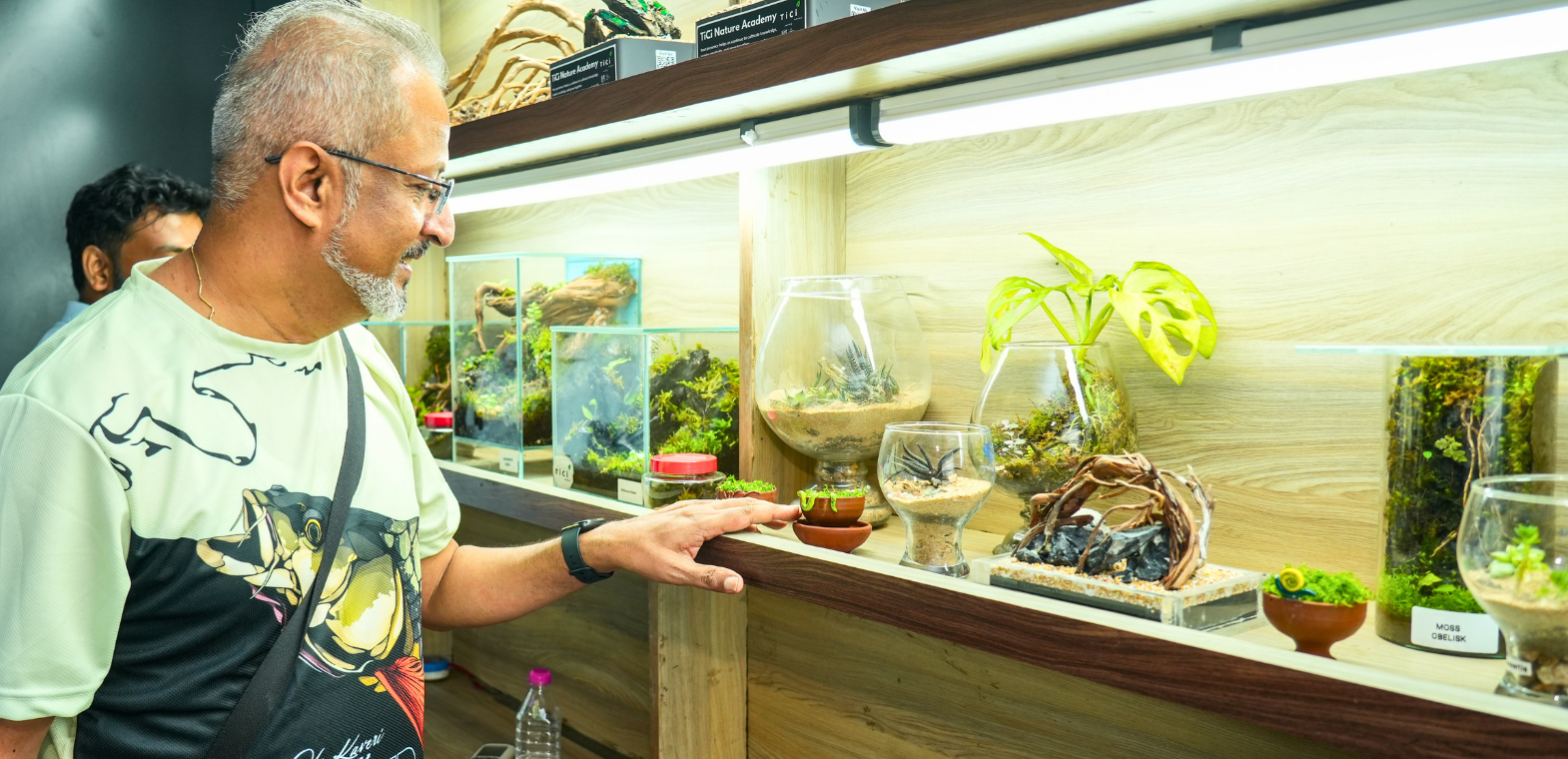
The terrariums showcased enclosed natural environments using mosses,tropical plants, substrates, humidity cycles and natural hardscape materials torecreate miniature ecosystems indoors.
The paludariums combined aquatic and terrestrial environments together, creating transitional habitats where water and land coexist naturally. These systems demonstrated the interconnected relationship between plants, humidity, water and living organisms.
The phytosphere concepts further reflected TiCi NatureLab’s experimental and educational approach toward ecosystem creation and biological storytelling.
These ecosystem models help visitors understand:
- Biodiversity awareness
- Ecosystem interconnectivity
- Natural nutrient cycles
- Habitat balance
- Sustainable indoor ecosystem creation
The Live Podcast Session with Amartya Ghosh
One of the most insightful parts of the visit was the live podcast session between Mr. Amar Salvi and Mr. Amartya Ghosh.
Surrounded by thriving ecosystems, the discussion explored the deeper vision behind TiCi NatureLab and the challenges involved in maintaining advanced biological systems indoors.
During the podcast, Amartya Ghosh discussed:
- The vision behind creating one of India’s largest nature gallery concepts
- The biological and ecological significance of ecosystem design
- The educational importance of planted and natural systems
- Challenges faced while maintaining aquatic balance
- Technical and environmental solutions implemented within the gallery
- The importance of sustainability and environmental awareness
The conversation revealed the dedication, experimentation and ecosystem understanding required to maintain thriving living environments.
It also highlighted how TiCi NatureLab is evolving beyond a gallery into a platform for ecosystem education (TiCi Nature Academy), aquascaping innovation, environmental storytelling and nature communication.
Why This Visit Was Special
Amar Salvi’s visit represented more than a gallery walkthrough. It became a reflection of how ecosystem design, biology, nature education and immersive experiences can inspire people to reconnect with the natural world.
The interaction between Amar Salvi and Amartya Ghosh highlighted the growing importance of:
- Nature-based learning
- Sustainable ecosystem design
- Aquascaping and aquatic biodiversity
- Environmental awareness
- Indoor ecosystem innovation
- Ecological conservation
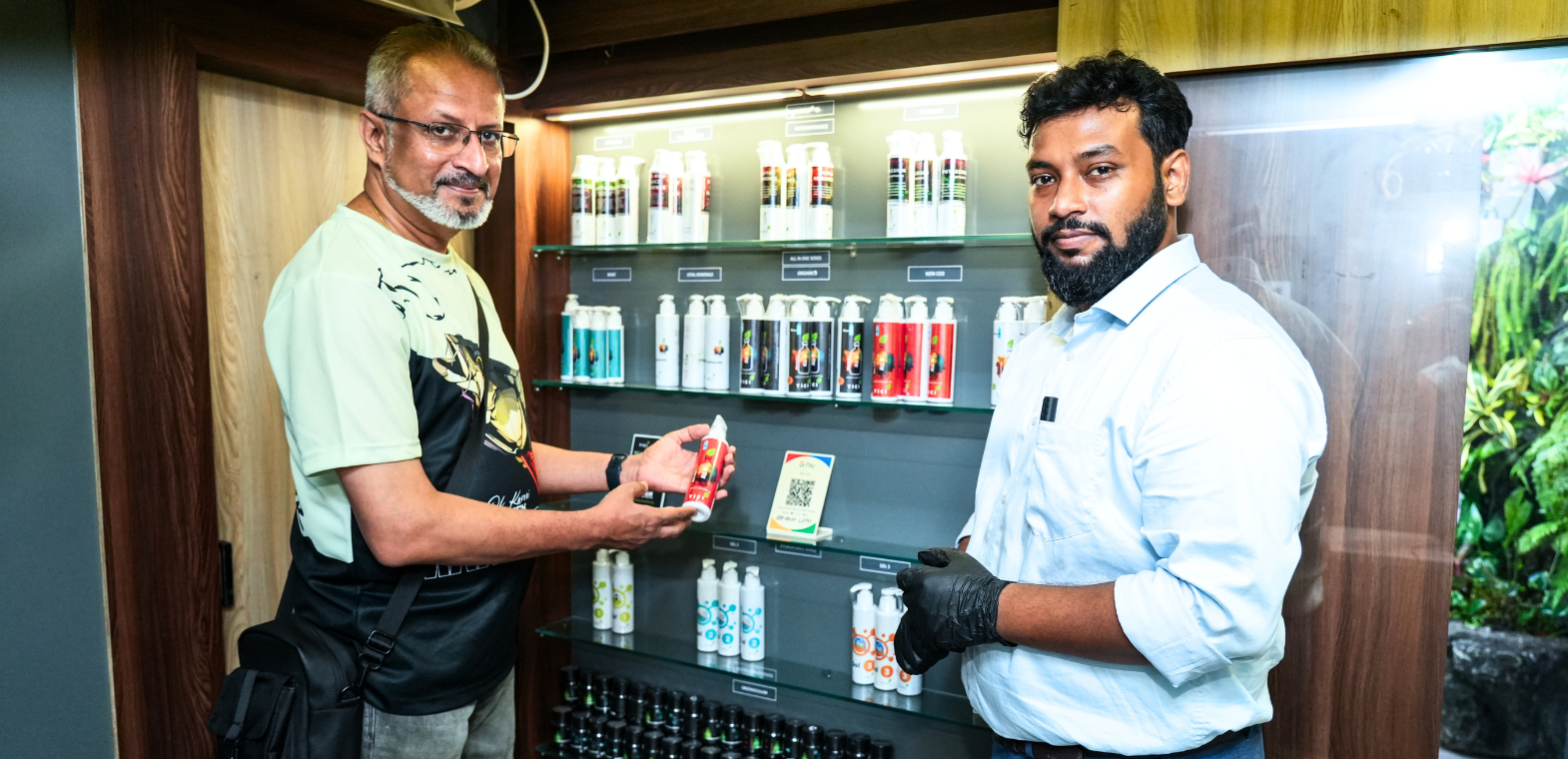
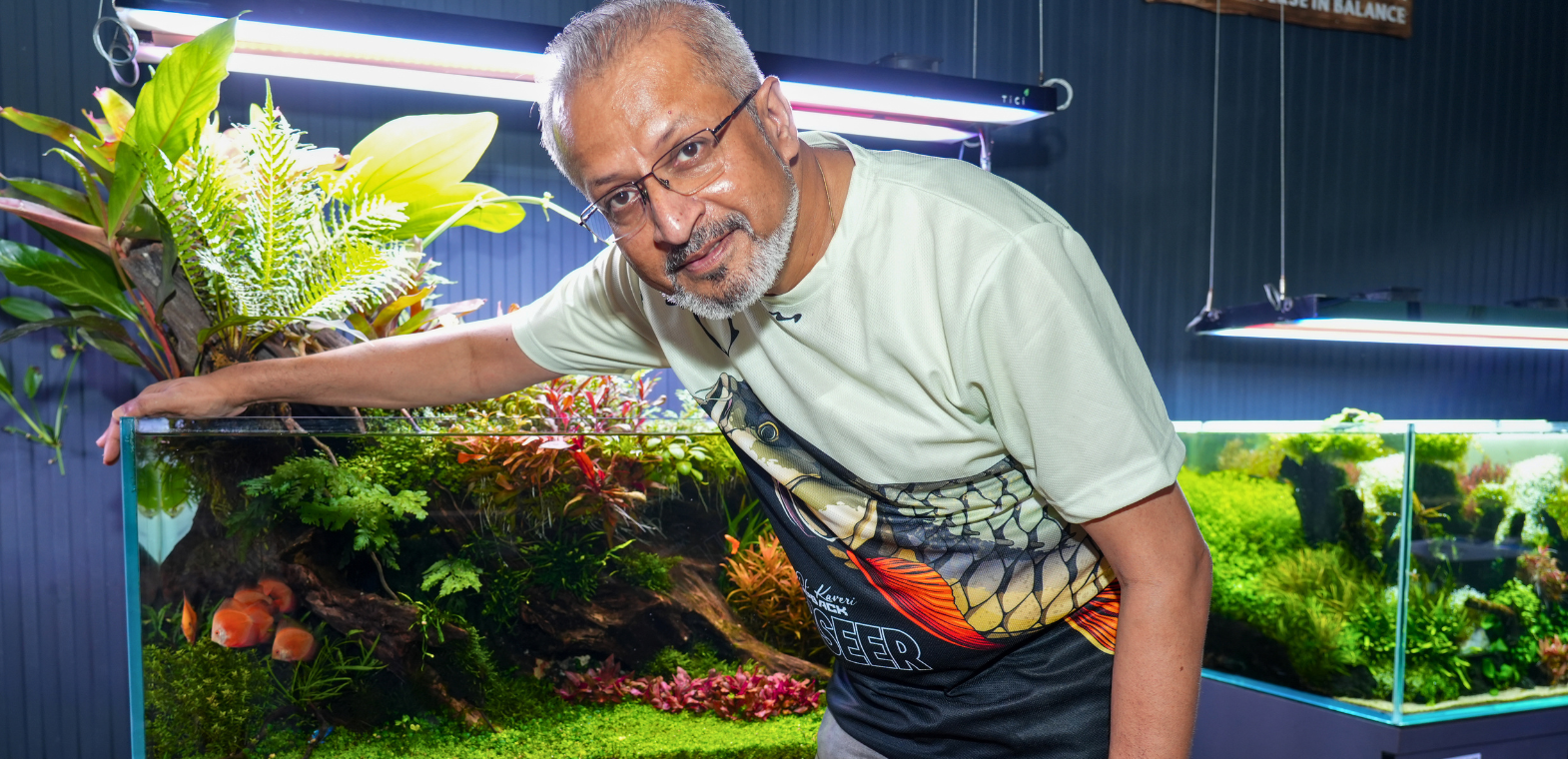
TiCi NatureLab continues to create experiences that combine science, creativity and nature in ways that are both educational and visually immersive.
Final Thought
The visit of Amar Salvi a.k.a The Weekend Aquarist to TiCi NatureLab on 23rd May 2026 marked an inspiring milestone in the gallery’s journey of ecosystem innovation and environmental storytelling.
From rainforest environments and vertical green walls to freshwater planted aquariums and marine macro algae ecosystems, the visit showcased the remarkable transformation of TiCi NatureLab into one of India’s largest nature gallery concepts within just one year.
The podcast session with Mr. Amartya Ghosh added even greater depth by exploring the vision, biological importance, ecological concepts and challenges behind these living ecosystems.
Together, the visit and conversation highlighted a powerful idea — when nature, science, creativity and education come together, they can create immersive experiences that inspire deeper understanding and appreciation for the natural world.
To check out the subscription plans for India’s First Aquarium Hobby focused magazine Click Here…
The Weekend Aquarist magazine is India’s first and only magazine dedicated to the aquarium hobby. Subscribe and encourage independent publishing here.