Urbanization is rapidly reshaping landscapes, often at the cost of natural ecosystems. As cities expand, green spaces shrink, leading to increased pollution, rising temperatures and reduced biodiversity. In response, the concept of green infrastructure has emerged as a sustainable solution to integrate nature into built environments. Among its many forms, vertical gardens, also known as green walls or living walls, they stand out as an innovative and practical approach to urban greening.
- Human & Nature, Indoor Green Systems, Outdoor Green systems
- May 12, 2026
- 136 views
Green Infrastructure & Solutions: Transforming Urban Spaces with Vertical Gardens
What is Green Infrastructure?
Green infrastructure refers to a network of natural and semi-natural systems designed to deliver ecological, economic and social benefits. It includes parks, wetlands, green roofs, rain gardens and vertical gardens. Unlike traditional infrastructure, which often prioritizes construction over conservation, green infrastructure works with nature to improve environmental quality and human well-being.
Understanding Vertical Gardens
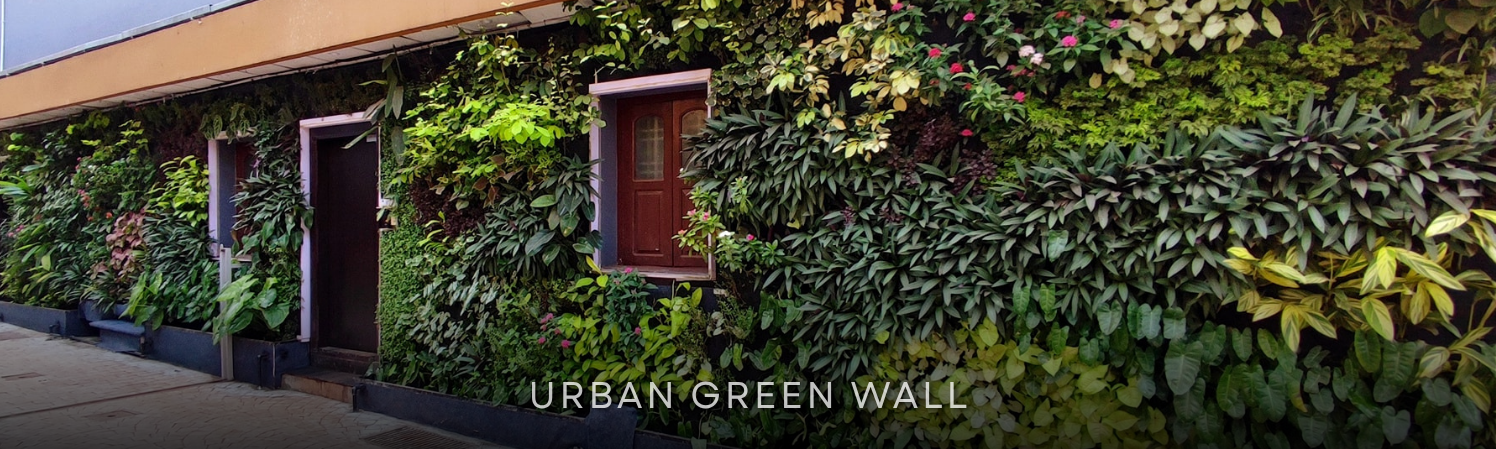
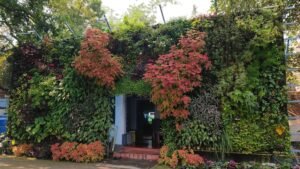
Vertical gardens are structures that allow plants to grow vertically on walls or specially designed panels. These systems can be installed both indoors and outdoors, making them ideal for urban areas where horizontal space is limited. They may use soil-based systems, hydroponics, or modular panels to support plant growth.
Popularized globally by botanist Patrick Blanc, vertical gardens have evolved into an essential component of modern sustainable architecture.
Types of Vertical Gardens
- Green Facades: Climbing plants grow directly on walls or on supporting trellises.
- Living Walls: Pre-planted panels or modules attached to walls with integrated irrigation systems.
- Hydroponic Walls: Plants grow without soil, using nutrient-rich water solutions.
- Moss Walls: Low-maintenance indoor systems primarily used for aesthetic and acoustic benefits.
Environmental Benefits
Vertical gardens play a significant role in addressing urban environmental challenges:
- Air Purification: Plants absorb pollutants such as carbon dioxide, nitrogen oxides and particulate matter.
- Temperature Regulation: They reduce the urban heat island effect by insulating buildings and lowering ambient temperatures.
- Stormwater Management: Vertical systems can absorb and filter rainwater, reducing runoff.
- Biodiversity Enhancement: They provide habitats for insects, birds and small organisms in dense urban settings.
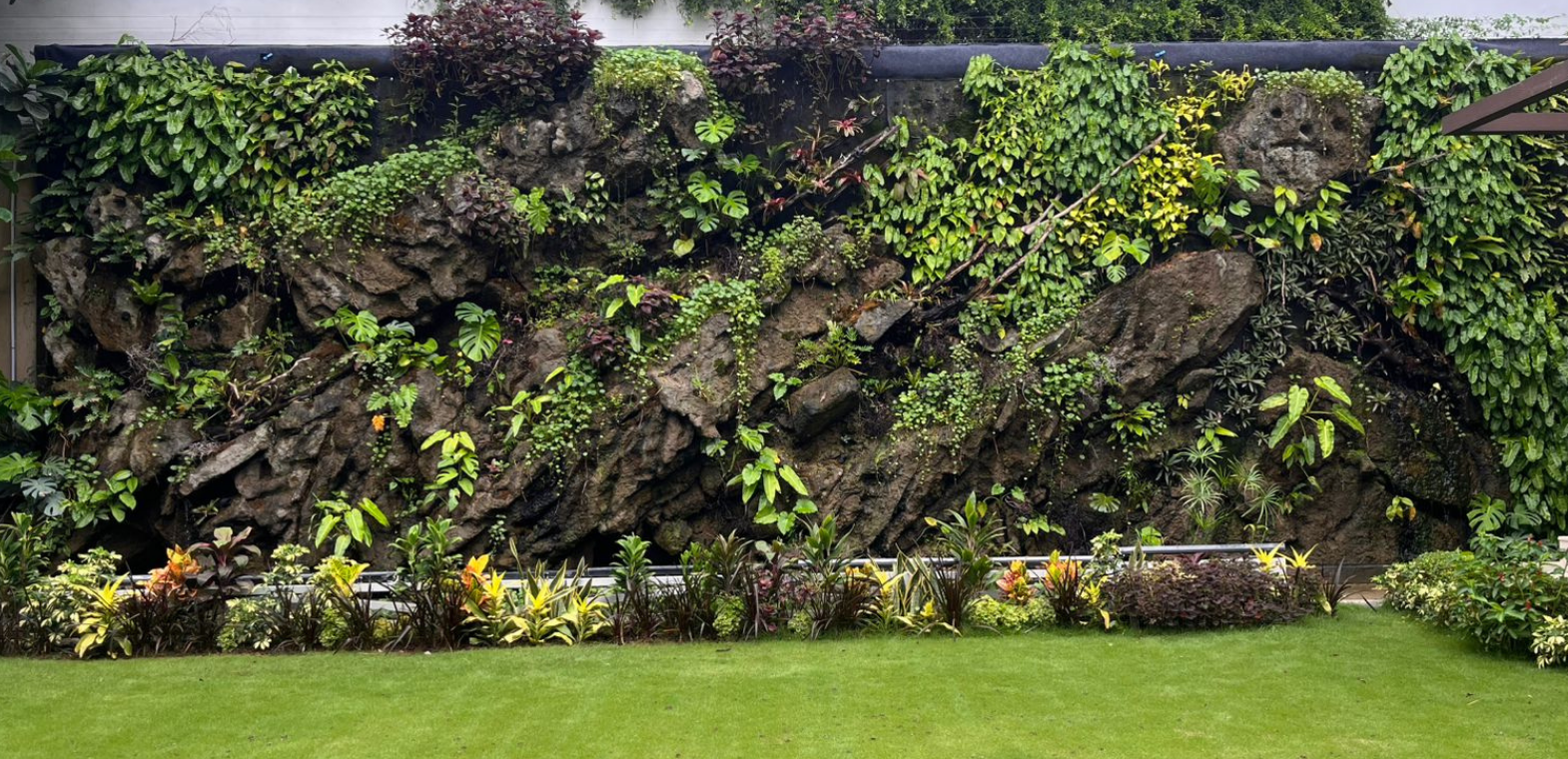
Reimagine urban spaces with sustainable green solutions- discover innovative vertical garden and green infrastructure services at TiCi Urban Green Walls.
Social and Economic Benefits
Beyond ecological advantages, vertical gardens contribute to human well-being and economic sustainability:
- Improved Mental Health: Exposure to greenery has been linked to reduced stress and enhanced productivity.
- Aesthetic Enhancement: Green walls transform dull concrete surfaces into vibrant living art.
- Space Optimization: Ideal for cities where land availability is limited.
- Energy Efficiency: Buildings with vertical gardens often require less cooling, reducing energy costs.
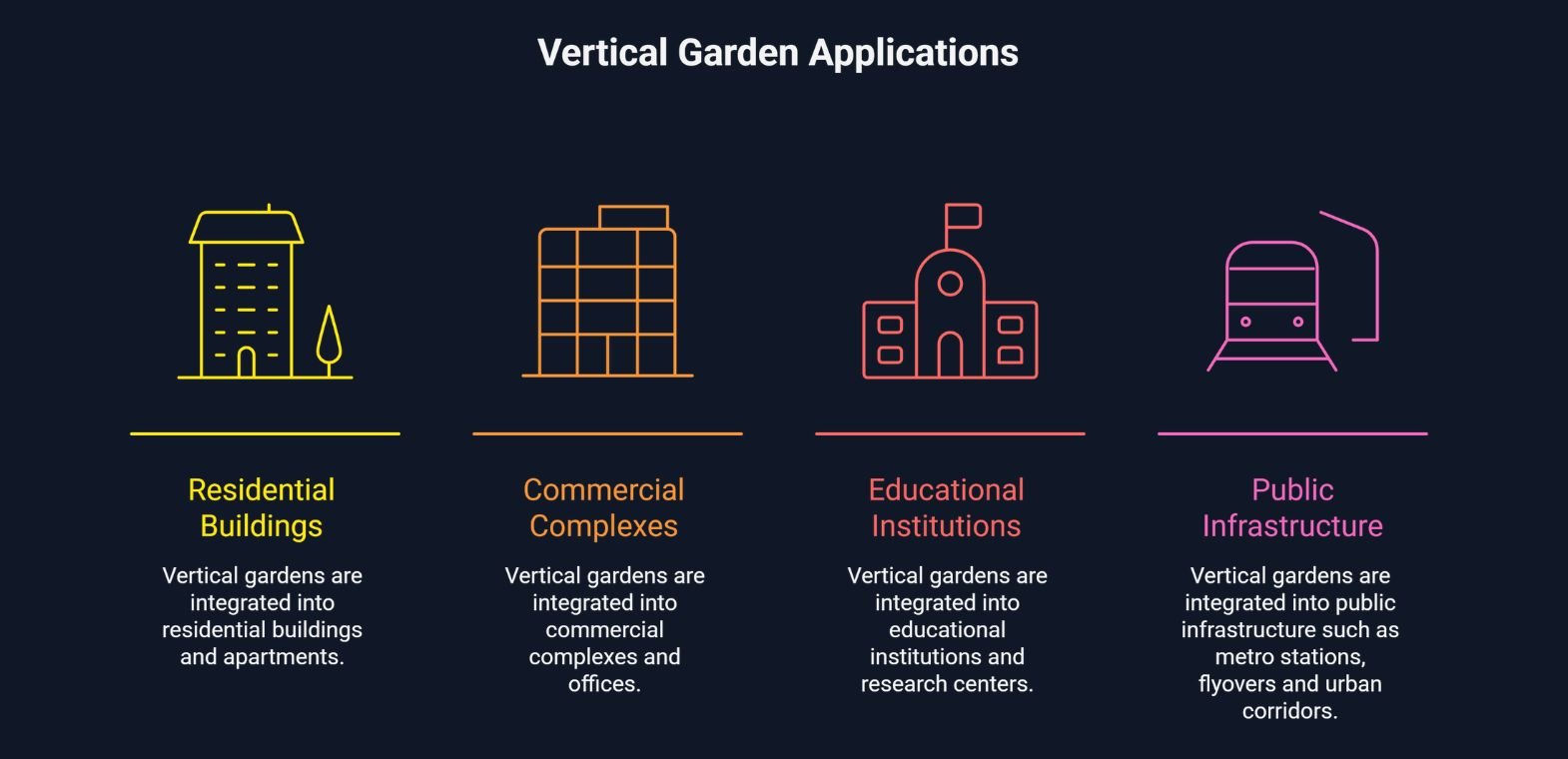
Cities like Singapore and Milan have successfully implemented vertical greenery as part of their urban planning strategies, setting global benchmarks.
Challenges and Considerations
Despite their benefits, vertical gardens require careful planning:
- Installation Costs: Initial setup can be expensive.
- Maintenance Needs: Regular irrigation, pruning and nutrient management are essential.
- Structural Support: Walls must be designed to handle additional weight and moisture.
- Plant Selection: Species must be chosen based on climate, light availability and maintenance capacity.
Future Prospects
With increasing awareness of climate change and sustainable development, vertical gardens are expected to play a crucial role in future cities. Integration with smart irrigation systems, IoT-based monitoring and eco-friendly materials will further enhance their efficiency and accessibility.
Conclusion
Vertical gardens represent a powerful intersection of ecology, design and innovation. As a component of green infrastructure, they offer a scalable solution to urban environmental challenges while improving the quality of life for city dwellers. By reimagining walls as living ecosystems, vertical gardens not only beautify urban spaces but also restore a vital connection between humans and nature.
(From stunning aquascapes to immersive nature-inspired installations, our services are crafted to bring creativity, sustainability, and living ecosystems into every space. Explore everything we offer at TiCi Nature Lab Services)