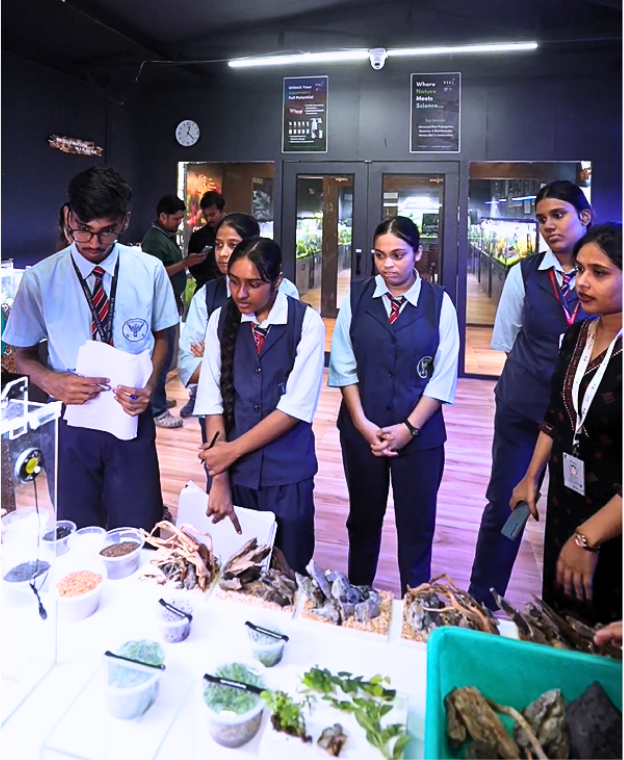
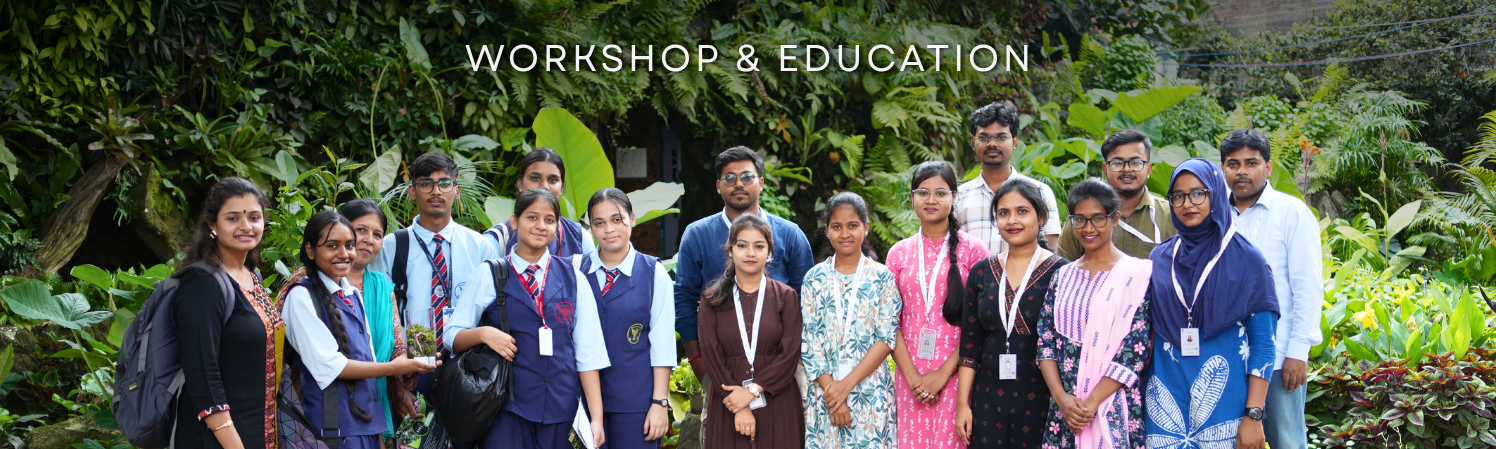
Class XII Humanities students and teachers from St. Mary’s School visited TiCi NatureLab for an immersive educational survey experience where nature became the classroom. From rainforest ecosystems and terrariums to aquariums and sustainability-focused learning, the visit blended environmental education with hands-on exploration as part of the ISC curriculum.
- Workshops & Education
- May 21, 2026
- 1374 views
St. Mary’s School Visit: Where Nature Becomes the Classroom
Introduction
What happens when textbooks are replaced by living ecosystems and classrooms open into worlds filled with rainforest plants, aquariums, terrariums and natural landscapes? Learning begins to feel real, immersive, and unforgettable.
As part of their ISC curriculum-based educational survey, the Class XII Humanities students and teachers from St. Mary’s School visited TiCi NatureLab for a transformative experience where nature, ecology, business and creativity came together under one roof. The visit was designed not only to support academic learning but also to encourage observation, research, environmental awareness and curiosity beyond the classroom.
From studying ecological displays to conducting surveys and participating in a live terrarium demonstration, the day became a meaningful journey into the relationship between nature, education, and sustainable innovation.
A Learning Experience Beyond Books
The educational visit was centered around the theme “Where Nature Becomes the Classroom.” Unlike conventional educational tours, this experience allowed students to directly interact with living ecosystems and understand how nature-inspired environments are created and maintained.
The students explored a wide range of natural displays and ecological concepts throughout the gallery and learning spaces at TiCi NatureLab. Every section introduced them to a different aspect of environmental design, biodiversity and ecological balance.
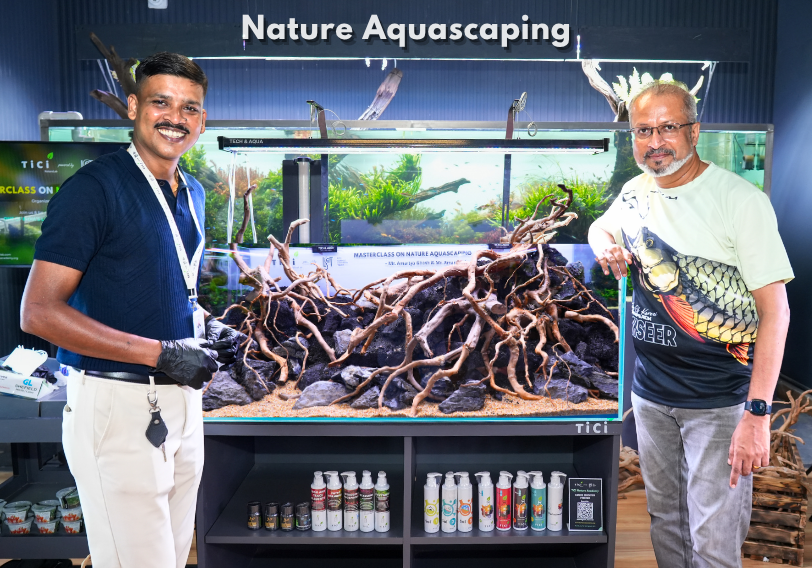
The journey began with the observation of carefully designed rock structures that demonstrated how hardscape elements contribute to natural landscape creation. The students learned how textures, elevations and stone placement influence the visual and ecological balance of an environment.
They were then introduced to beautifully maintained garden ponds that showcased aquatic harmony and biological sustainability. Discussions around water ecosystems, filtration, aquatic plants and habitat management helped the students understand how small ecosystems function in balance with nature.
Exploring Rainforests, Exotic Plants, and Vertical Ecosystems
One of the most engaging sections of the visit was the rainforest-inspired setup featuring exotic plants used within controlled environments. Students observed how humidity, light, temperature and plant selection work together to recreate rainforest-like ecosystems indoors.
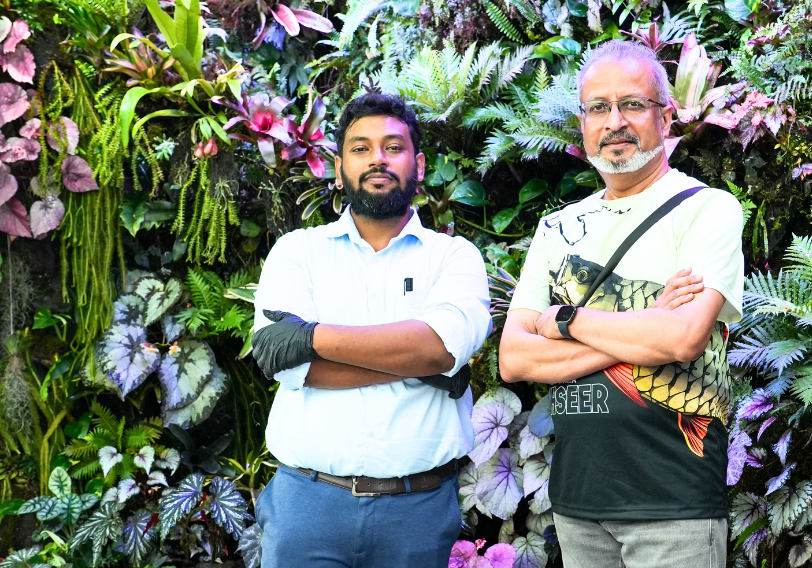
The visit also highlighted innovative concepts such as vertical walls and vertical ecosystems. These living green installations demonstrated how nature can be integrated into modern spaces while improving environmental quality and aesthetics. For Humanities students studying society, environment and sustainability, these examples offered practical insight into how ecological thinking is becoming part of urban development.
The nursery section introduced students to plant care, propagation methods and the importance of preserving biodiversity through responsible cultivation practices. They were encouraged to observe how different plant species adapt to varying environmental conditions and how horticulture contributes to environmental conservation.
Discovering the World of Terrariums and Paludariums
A major highlight of the educational survey was the exploration of terrariums and paludariums. Students learned how these miniature ecosystems are carefully designed to replicate natural habitats within enclosed spaces.
The live terrarium demonstration attracted special attention from both students and teachers. During the session, they observed the complete process of building a terrarium, including substrate layering, hardscape arrangement, plant placement, moisture control and long-term maintenance techniques.
The demonstration helped students understand ecological relationships in a simple yet visually engaging manner. It also showed how creativity and science can work together to create sustainable ecosystems on a small scale.
Paludariums, which combine terrestrial and aquatic environments, introduced students to transitional ecosystems where land and water coexist naturally. These displays became an effective visual representation of biodiversity and habitat interaction.
Understanding Aquatic Ecosystems
Educational Survey and Interaction with the Team
As part of their ISC curriculum project work, the students conducted an educational survey during the visit. They interacted with members of the TiCi NatureLab team to understand various aspects of the organization and its functioning.
The discussions included topics such as employee roles, organizational structure, future goals, environmental initiatives, business growth, operational challenges and turnover-related insights. These interactions gave students practical exposure to how environmentally focused organizations function in real-world settings.
The students also explored the official platforms of TiCi NatureLab and TiCi Nature Academy where they learned about different educational verticals, professional courses, workshops and learning opportunities available for future exploration.
This part of the visit helped bridge the gap between academics and industry exposure, encouraging students to think about sustainability-oriented careers and creative educational pathways.
A Memorable Ending to a Meaningful Day
The visit concluded on a warm and memorable note with a photography session that captured the shared experiences of the students and teachers throughout the day.
As a token of appreciation and remembrance, the group was gifted a terrarium, symbolizing the importance of nurturing life, balance and environmental awareness even in the smallest ecosystems.
The students were also encouraged to return in the future at TiCi Nature Academy for more immersive experiences, workshops and educational activities that continue to connect learning with nature.
Conclusion
The educational visit by the Class XII Humanities students and teachers from St. Mary’s School proved that learning becomes far more impactful when students are allowed to observe, question, and experience concepts directly.
From rainforest ecosystems and aquariums to terrariums and sustainability-focused discussions, the visit successfully transformed nature into a living classroom. It encouraged environmental awareness, creative thinking, teamwork and practical understanding in ways that traditional classrooms often cannot achieve alone.
Experiences like these remind us that education is not limited to books and lectures. Sometimes, the most valuable lessons are found in the quiet balance of ecosystems, the curiosity sparked by observation and the inspiration created through direct interaction with nature.