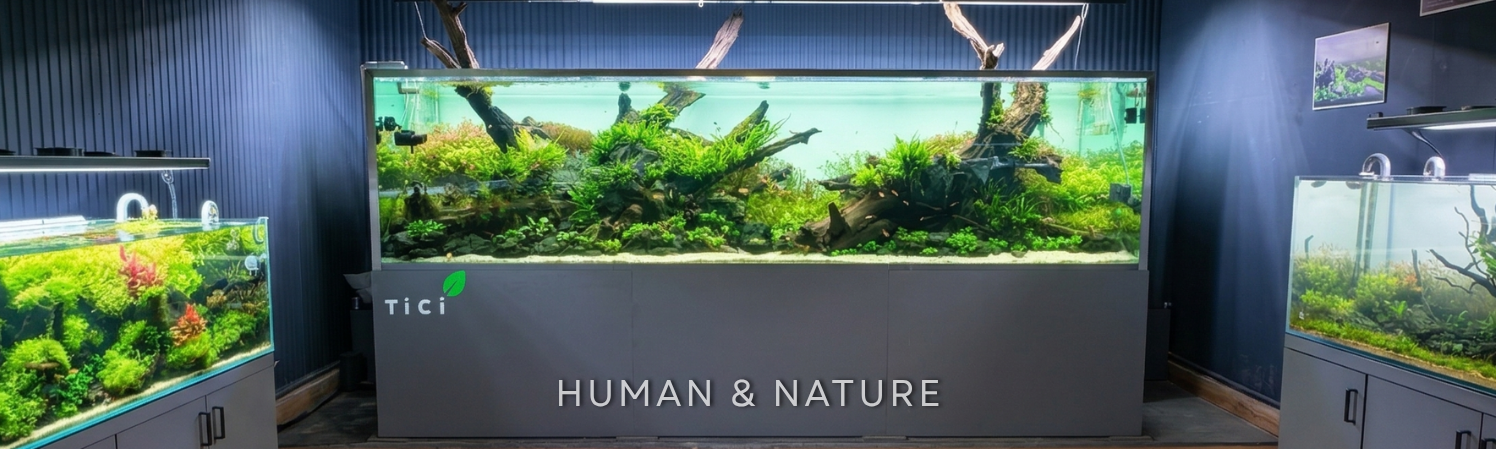
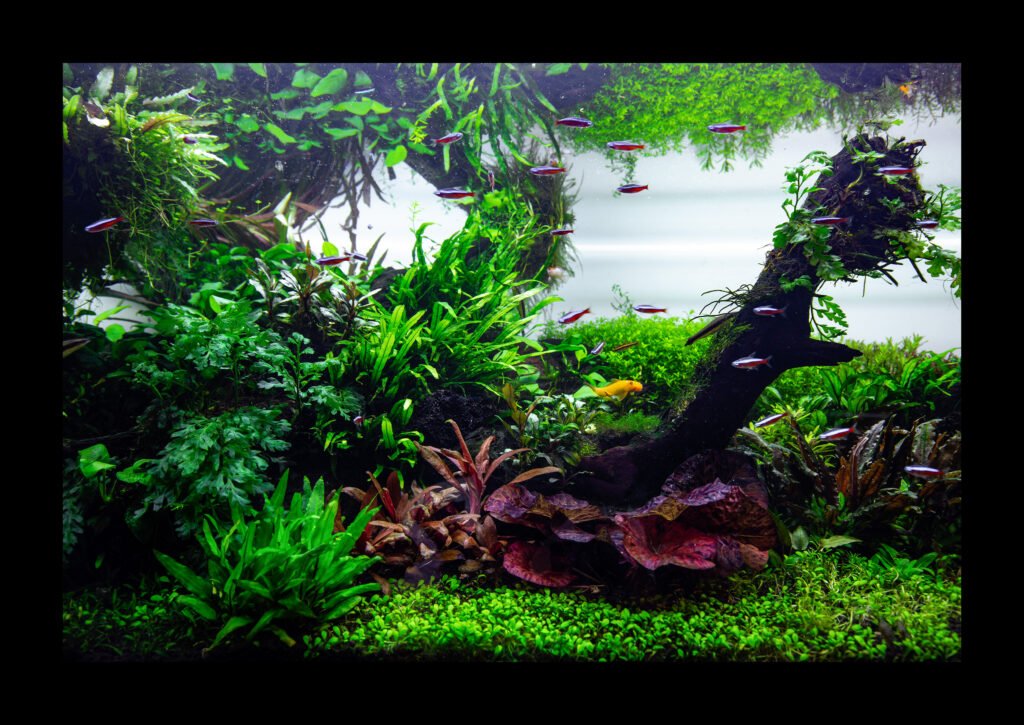
When people think about ecosystems, they often picture vast rainforests, oceans, or mountain ranges. But the truth is, some of the most important ecological processes happen in much smaller spaces. A pond in your backyard, a patch of wetland, or even a carefully designed terrarium can function as a complete ecosystem.
In a world facing rapid environmental change, these small ecosystems are not just beautiful, they are essential. They support biodiversity, regulate natural cycles and act as living models that help us understand how nature adapts and survives.
Post Views: 86
What Are Small Ecosystems?
Small ecosystems are self-contained environments where living organisms interact with each other and their surroundings. These systems can exist naturally, like wetlands, forest patches and streams, or they can be created by humans, such as aquariums, terrariums and urban green spaces.
Despite their size, they follow the same ecological principles as larger ecosystems. They have producers, consumers, decomposers and a balance of energy flow that keeps everything functioning.

The Role of Small Ecosystems in Biodiversity
One of the most overlooked benefits of small ecosystems is their ability to support biodiversity. Even a small water body can host algae, insects, microorganisms and aquatic plants, all interacting in a delicate balance.
These systems often act as safe havens for species that cannot survive in heavily altered or polluted environments. In urban areas, where natural habitats are shrinking, small ecosystems become critical pockets of life.
They also serve as stepping stones for wildlife. Birds, insects and small animals use these spaces for feeding, breeding, or resting during migration. Without these micro habitats, many species would struggle to survive.
Natural Climate Regulators
Small ecosystems quietly contribute to climate regulation in ways that are easy to miss. Wetlands, for example, absorb excess water and reduce flooding, while also capturing carbon from the atmosphere.
Similarly, planted aquariums and terrariums demonstrate how plants absorb carbon dioxide and release oxygen, maintaining a stable environment. While their scale is small, the principle is powerful and directly connected to global climate processes.
When multiplied across landscapes, these small systems collectively make a significant impact. They help stabilize temperatures, improve air quality and maintain water cycles.
Water Purification and Nutrient Cycling
Small ecosystems play a crucial role in filtering and recycling nutrients. Natural ponds and wetlands act as biofilters, removing pollutants and improving water quality.
In controlled environments like aquascapes, beneficial bacteria break down waste and convert it into nutrients that plants can use. This process, often referred to as biological filtration, mirrors what happens in rivers and lakes.
This natural purification system reduces the need for artificial intervention and highlights how nature maintains balance through simple yet effective processes.
Learning from Small Ecosystems
One of the most powerful aspects of small ecosystems is their ability to teach. They allow us to observe ecological interactions up close, something that is not always possible in large-scale environments.
Aquascaping, terrarium building, and biotope creation have become more than just hobbies. They are practical ways to understand ecosystem dynamics, species relationships and environmental balance.
By studying these systems, we gain insights into resilience, adaptation and sustainability. These lessons can then be applied to larger environmental challenges.

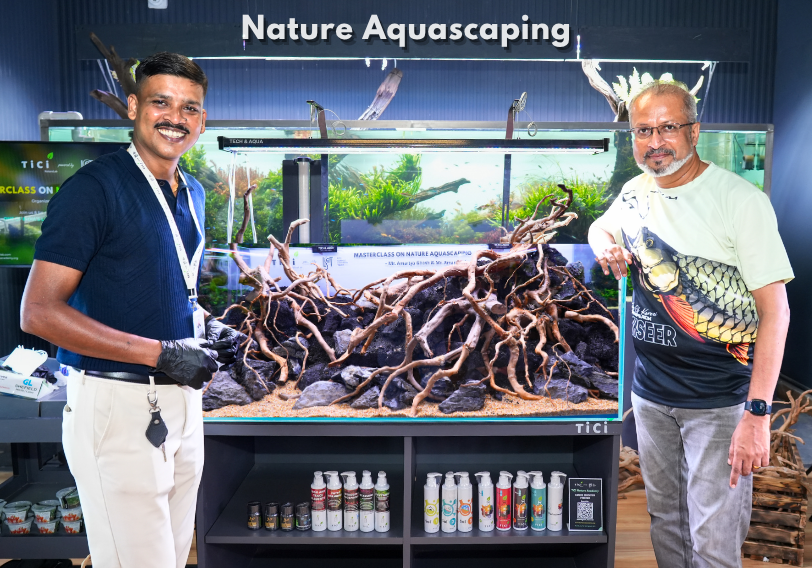
(Experience how small ecosystems can create a lasting environmental impact — explore nature-inspired installations and ecological solutions at TiCi NatureLab Services.)
Urban Relevance and Human Connection
As cities continue to expand, natural landscapes are often replaced by concrete and infrastructure. Small ecosystems help bridge this gap by bringing nature back into urban spaces.
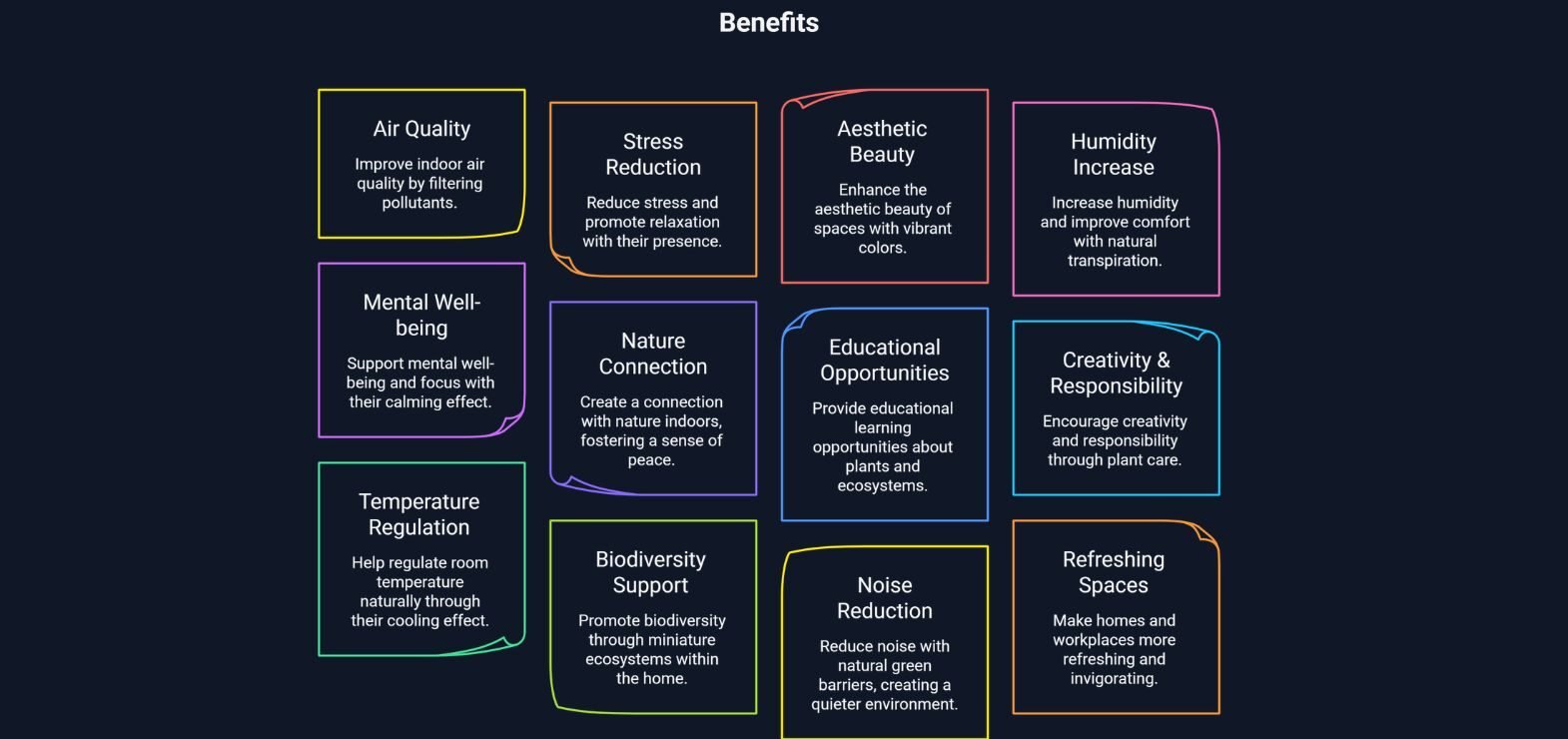
Green walls, rooftop gardens, and indoor ecosystems not only improve air quality but also enhance mental well-being. People feel more connected to nature when they can see and interact with it daily.
This connection is important because it influences how individuals think about conservation. When people care about small ecosystems around them, they are more likely to support larger environmental efforts.
Resilience in a Changing World
Climate change, pollution and habitat loss are putting immense pressure on ecosystems worldwide. Large ecosystems are struggling to adapt and their recovery often takes decades.
Small ecosystems, on the other hand, can respond more quickly to changes. Their compact nature allows for faster recovery and adaptation. This makes them valuable models for understanding resilience.
They show us that balance is not about perfection but about constant adjustment. Even in changing conditions, life finds a way to stabilize and continue.
The Role of Human Intervention
Humans have the ability to create, restore and maintain small ecosystems. This responsibility comes with both opportunity and impact.
By designing ecosystems thoughtfully, whether through aquascaping or urban landscaping, we can support biodiversity and reduce environmental stress. Choosing native plants, maintaining water quality and avoiding harmful chemicals all contribute to healthier systems.
At the same time, small ecosystems remind us of the importance of balance. Over-intervention can disrupt natural processes, while mindful care can enhance them.
Why They Matter More Than Ever
In today’s rapidly changing world, the importance of small ecosystems cannot be overstated. They are not just miniature versions of larger environments, they are active contributors to ecological health.
They provide refuge for species, regulate natural processes and offer a way for people to reconnect with nature. More importantly, they demonstrate that even small actions can create meaningful impact.
Every pond restored, every aquarium balanced and every green space maintained adds to a larger network of ecological stability.
Conclusion
Small ecosystems may seem insignificant at first glance, but their impact runs deep. They hold lessons about balance, resilience, and the interconnectedness of life. In a time when environmental challenges feel overwhelming, these systems offer something valuable, a sense of control and possibility. They show that change does not always have to start big. Sometimes, it begins with something small, carefully nurtured and allowed to grow into something meaningful.