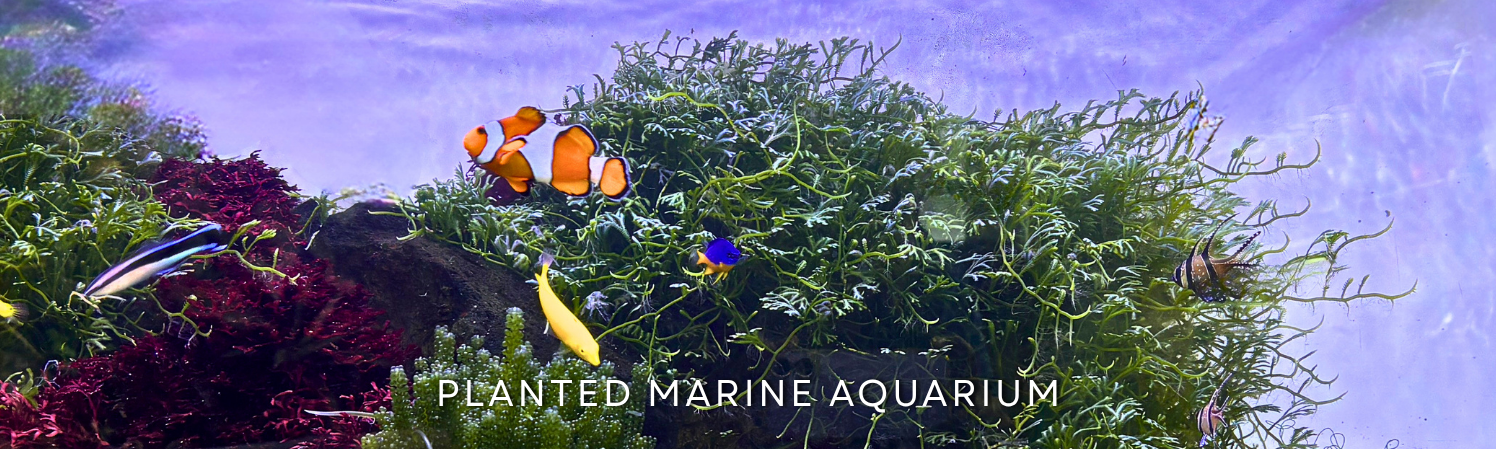
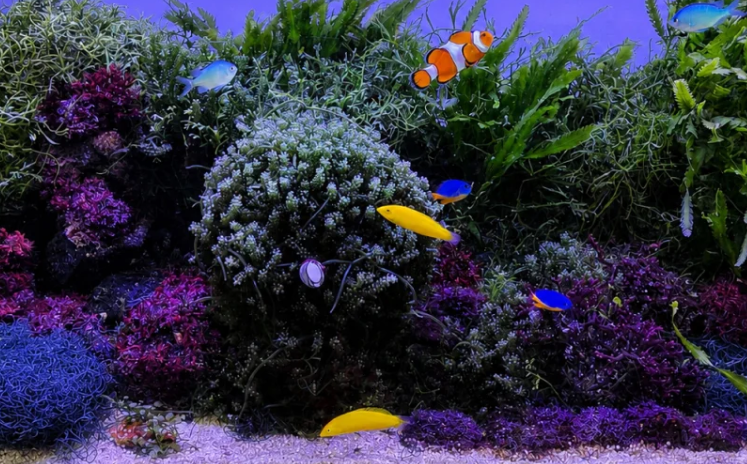
Creating a marine aquarium is not just about keeping fish. It’s about building a balanced, living ecosystem inside glass walls. Unlike freshwater setups, marine tanks require precision, planning, and the right combination of components to maintain stability.
Whether you’re a beginner or setting up a professional system, understanding the components needed for marine tanks is crucial. Each element plays a specific role in maintaining water quality, supporting marine life, and ensuring long-term success.
Post Views: 85
1. Aquarium Tank and Cabinet (Foundation of the System)
The aquarium tank is the core of your setup, and the cabinet (stand) supports the entire structure.
- Larger tanks offer better stability and are easier to manage
- A strong, level cabinet ensures safety and proper weight distribution
- Cabinets also help hide equipment and improve overall aesthetics
A well-planned foundation sets the stage for a successful marine ecosystem.
2. Filtration System (Maintaining Water Quality)
A proper filtration system is essential for keeping the water clean and safe.
Types of filtration:
- Mechanical: Removes visible debris. (Eg. Filter socks, sponge)
- Biological: Supports beneficial bacteria that break down waste. (Eg. Pumice stone, bio balls)
- Chemical: Removes toxins and unwanted compounds.(Eg. Purigen)
A good filtration system ensures a healthy environment for fish and corals.
3. Protein Skimmer (Organic Waste Removal)
A protein skimmer removes dissolved organic waste before it turns into harmful substances like ammonia and nitrate.
Why it’s important:
- Improves water clarity
- Reduces nutrient buildup
- Lowers maintenance effort
It acts as a preventive system, maintaining long-term water quality.
4. Water Circulation Devices (Wavemakers & Powerheads)
In natural oceans, water is constantly moving. Marine tanks must replicate this.
Functions:
- Enhances oxygen exchange
- Prevents waste accumulation
- Distributes nutrients evenly
Proper water flow keeps the ecosystem active and balanced.
5. Heater, Thermometer, and Chiller (Temperature Control)
Marine organisms are highly sensitive to temperature changes.
- Heater: Maintains stable warmth (ideal range: 24–26°C)
- Thermometer: Helps monitor temperature accurately
- Chiller (or cooling system): Prevents overheating in warmer climates
Stable temperature is critical for the health and survival of marine species.
6. Lighting System (Energy for Marine Life)
Lighting is not just for visibility—it directly affects biological processes.
- Supports coral and macroalgae growth through photosynthesis
- Enhances color and appearance of the tank
- LED systems offer efficiency and control
Different setups require different lighting intensity and spectrum.
7. SUMP System (Advanced Filtration Support)
A sump is an external chamber (usually below the tank) that holds additional equipment.
Benefits:
- Increases total water volume
- Improves filtration efficiency
- Keeps the display tank clean and uncluttered
It is widely used in advanced marine aquarium setups.
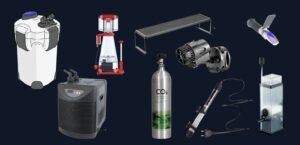
(Create a stable and thriving marine ecosystem with expert aquarium solutions and custom aquatic installations from TiCi NatureLab Marine Aquariums.)
8. RO/DI Unit (Pure Water Source)
Water quality starts before it enters the tank.
An RO/DI unit:
- Removes impurities, heavy metals and contaminants
- Prevents unwanted algae growth
- Ensures stable water chemistry
Using purified water is essential for long-term success.
9. Rocks and Substrate (Biological and Structural Support)
Live rocks and substrate are not just decorative—they play a major role in the ecosystem.
- Provide surface for beneficial bacteria
- Help in natural filtration
- Offer hiding spaces for marine life
They make the aquarium look natural while supporting biological balance.
10. Salinity Measuring Devices (Maintaining Balance)
Marine tanks require precise salt concentration.
Common tools:
Why it matters:
Stable salinity is essential for fish health, coral growth and overall system stability.
11. Test Kits (Monitoring Water Parameters)
Regular testing helps prevent problems before they occur.
Key parameters:
- pH
- Ammonia
- Nitrite and nitrate
- Calcium and magnesium
Testing ensures that the system stays within safe limits.
12. Auto Top-Off (ATO) System (Water Level Stability)
Water evaporates daily, increasing salinity.
An ATO system:
- Automatically replaces evaporated water
- Maintains consistent salinity
- Reduces manual effort
It is a small but highly effective component.
13. Feeding Gadgets (Consistent Nutrition)
Feeding is an important part of aquarium care.
Options include:
- Automatic feeders
- Target feeding tools for corals
These tools ensure:
- Timely feeding
- Reduced waste
- Better nutrition management
14. Maintenance Tools (Routine Care Essentials)
Regular maintenance keeps your aquarium clean and stable.
Basic tools:
- Algae scrapers or magnetic cleaners
- Siphons for water changes
- Cleaning brushes and buckets
Consistent maintenance prevents long-term issues and keeps the tank visually appealing.
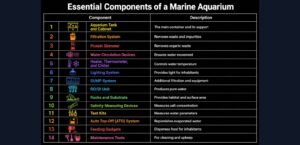
Bringing It All Together
A marine aquarium is a blend of science, design and patience. Each piece of equipment plays a specific role, but true success comes from how well they work together as a system.
Instead of viewing these as separate components, think of your tank as an integrated ecosystem- where filtration, lighting, water movement and maintenance all align to support life.
Final Thought
Building a marine tank isn’t about buying the most expensive equipment- it’s about choosing the right tools and using them wisely. With proper planning and the right setup, you can create a stunning underwater world that is not only beautiful but also sustainable.
When done right, a marine aquarium becomes more than a hobby- it becomes a living experience.
(Transform your vision into a living masterpiece with our nature-inspired services — from aquascaping and ecosystem design to immersive green installations crafted with creativity and expertise at TiCi Nature Lab Services)