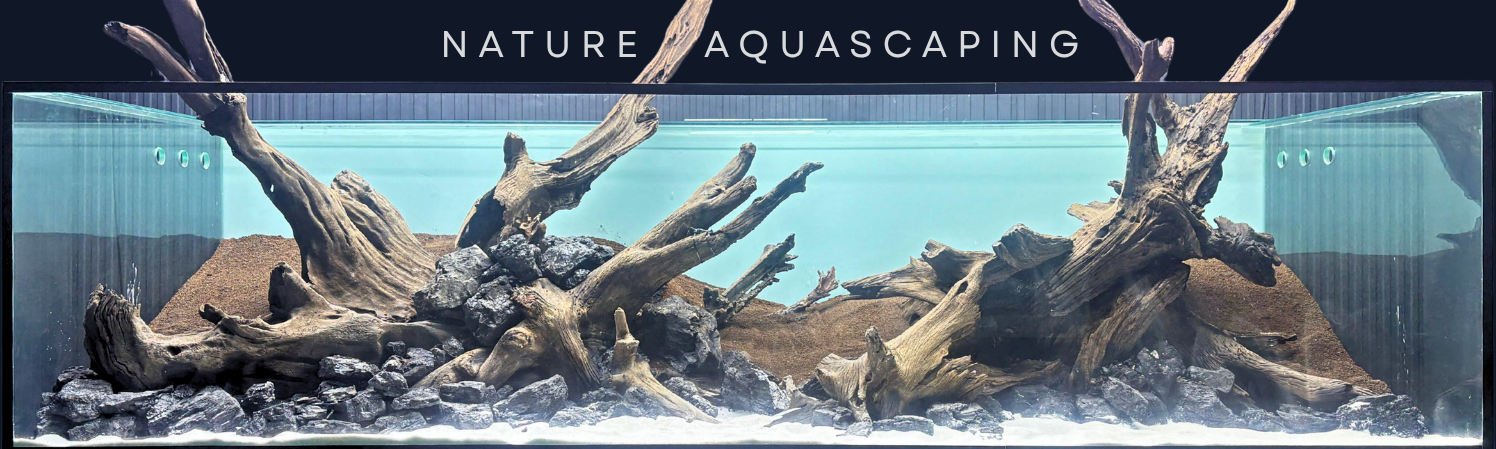
Aquascaping is the art of designing underwater landscapes using plants, rocks, woods and substrate inside an aquarium. In freshwater tanks, it goes beyond decoration and becomes a balance between design, biology and long-term stability.
Every aquascape tells a story. Some replicate natural landscapes, while others follow structured artistic layouts. To understand these styles properly, we need to learn where aquascaping began and how different approaches evolved over time.
Here’s a guide for you to understand the art of aquascaping.
Post Views: 433
The Origin of Aquascaping
Modern aquascaping as we know it today was shaped largely by Takashi Amano, a Japanese photographer and aquarist. In the 1990s, he introduced the concept of Nature Aquarium, combining Japanese gardening principles with aquarium design.
His work was influenced by traditional aesthetics like Wabi-Sabi, which values simplicity, imperfection and natural beauty. This approach transformed aquariums from basic fish tanks into carefully designed living landscapes.
While planted aquariums existed before Amano, his methods brought structure, philosophy and global recognition to aquascaping.
1. Nature Style Aquascaping (Takashi Amano)
The Nature Style is the foundation of modern aquascaping and was popularized by Takashi Amano.
Concept:
Inspired by forests, mountains and riverbanks, this style focuses on recreating natural scenery inside the aquarium.
Key Features:
- Asymmetrical and organic layout
- Natural placement of rocks and woods
- Balanced plant growth
- A defined focal point
This style emphasizes harmony and often feels calm and immersive.
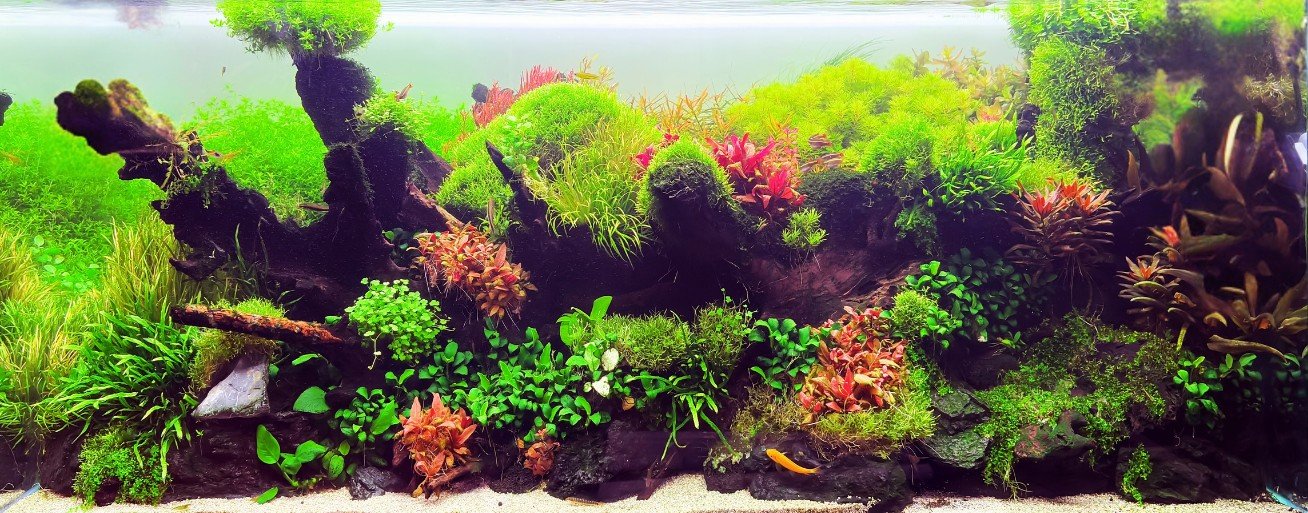
“Verdent Velocity” by TiCi NatureLab
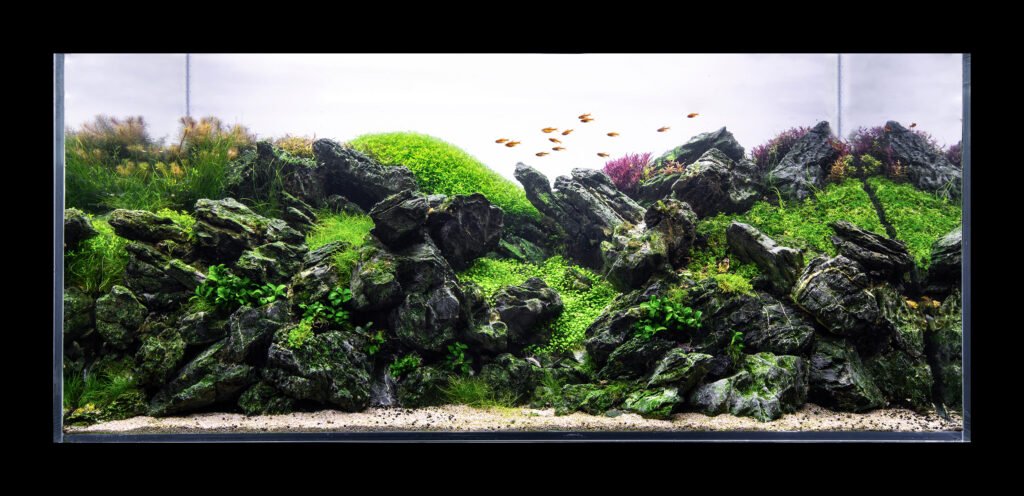
2. Iwagumi Style Aquascaping (Japanese Zen Influence)
Iwagumi is rooted in traditional Japanese rock arrangement principles and was refined within aquascaping by Takashi Amano.
Concept:
A minimalist approach where stones form the core structure of the layout.
Key Features:
- Odd number of stones
- One dominant “main stone”
- Minimal plant variety, often carpeting plants
- Clean, open space
The style is influenced by Zen philosophy, where balance and placement carry more importance than complexity.
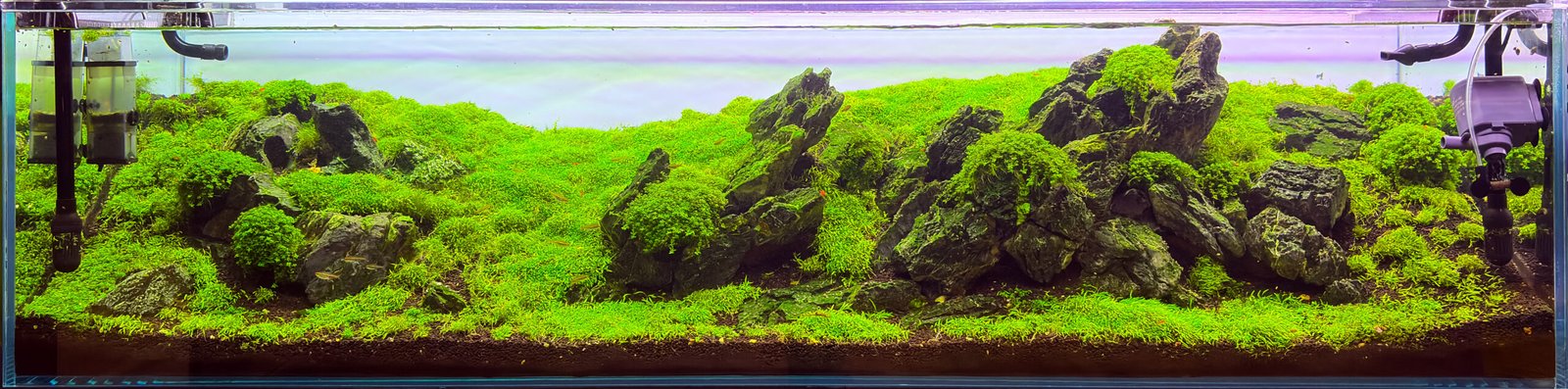
“Heavenly Meadow” by TiCi NatureLab
3. Dutch Style Aquascaping (Netherlands Aquarists Society)
he Dutch style originated in the Netherlands during the early 20th century and was developed by hobbyists associated with the Netherlands Society for Aquarists.
Concept:
An underwater garden focused on plant variety and arrangement rather than hardscape.
Key Features:
- Dense and colorful plant groupings
- Layered arrangement with height variation
- No use of rocks and woods
- Structured layout resembling garden design
This is one of the oldest aquascaping styles and remains popular among plant-focused hobbyists.
(Discover the beauty of nature beneath the surface with our stunning Freshwater Aquascaping creations — living underwater masterpieces designed to bring elegance, balance, and serenity into any space at TiCi Freshwater Aquariums)
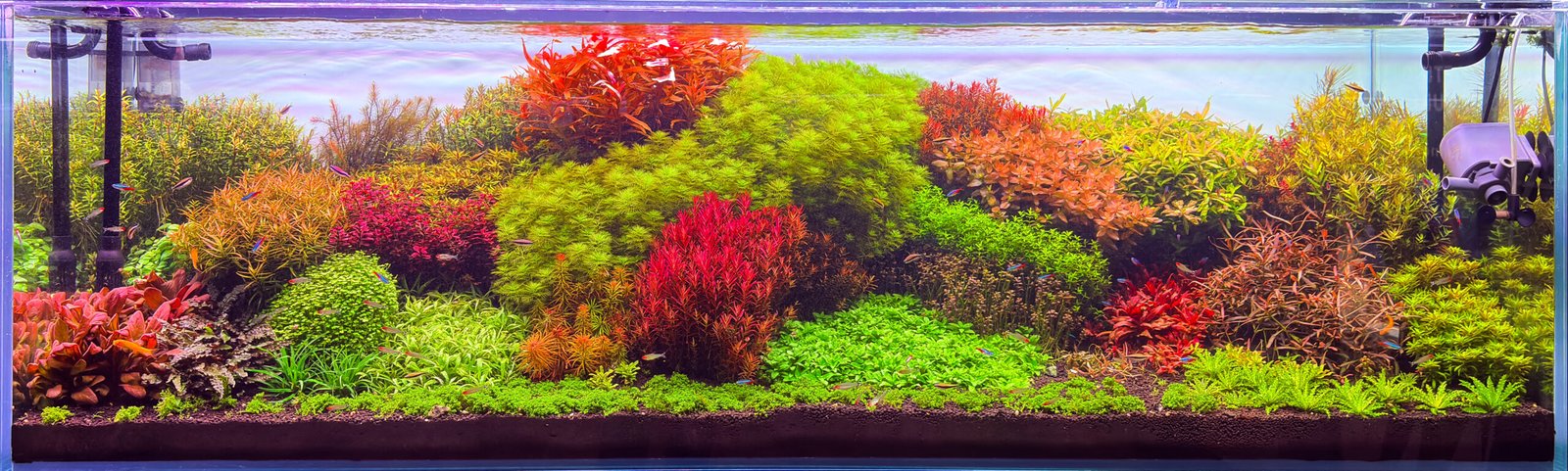
“Dutch Bloom” by TiCi NatureLab
4. Jungle Style Aquascaping (Natural Evolution of Hobbyists)
Jungle style does not have a single originator. It evolved naturally among aquarists who preferred a less controlled and more organic jungle look.
Concept:
A dense, natural and slightly wild aquascape where plants are allowed to grow freely.
Key Features:
- Thick plant growth
- Mixed species
- Soft, natural appearance& a visible vanishing point
- Natural wood and stone placement
This style reflects how aquatic environments grow in nature without strict human control.
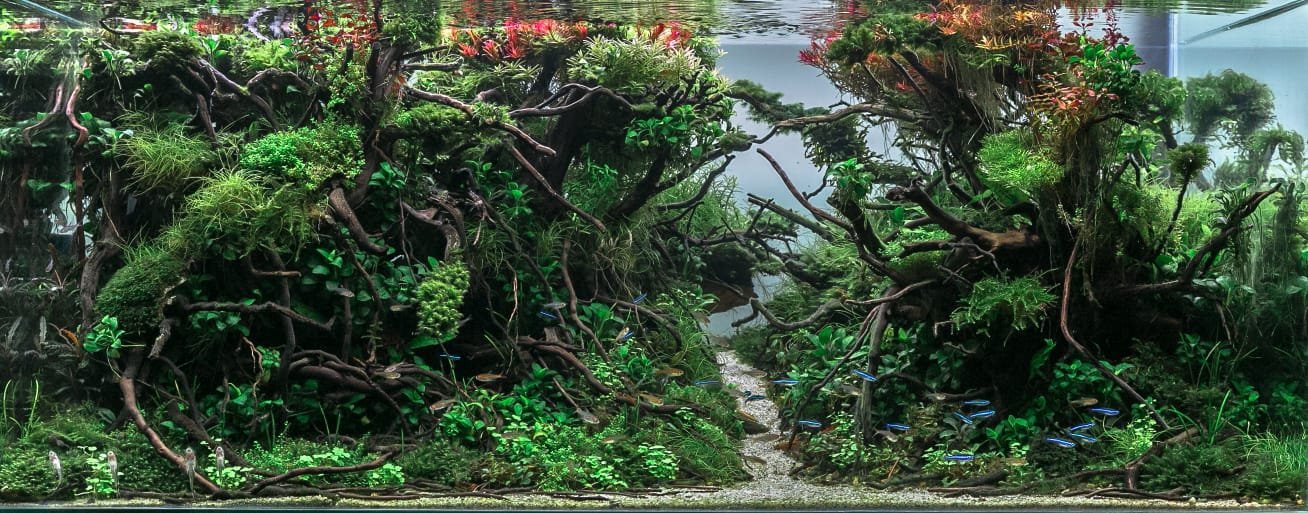 © Rajib Saha
5. Biotope Aquascaping (Scientific and Ecological Approach)
Biotope aquascaping emerged from scientific and ecological studies rather than a single designer. It is widely practiced by aquarists and researchers who aim to replicate real-world habitats.
Concept:
Recreating a specific natural environment as accurately as possible.
Key Features:
- Region-specific design (Amazon, African lakes, Asian streamsor wetlands)
- Matching plants, substrate and water conditions
- Fish species native to the same habitat
- Focus on ecological accuracy
This style prioritizes realism and environmental authenticity.
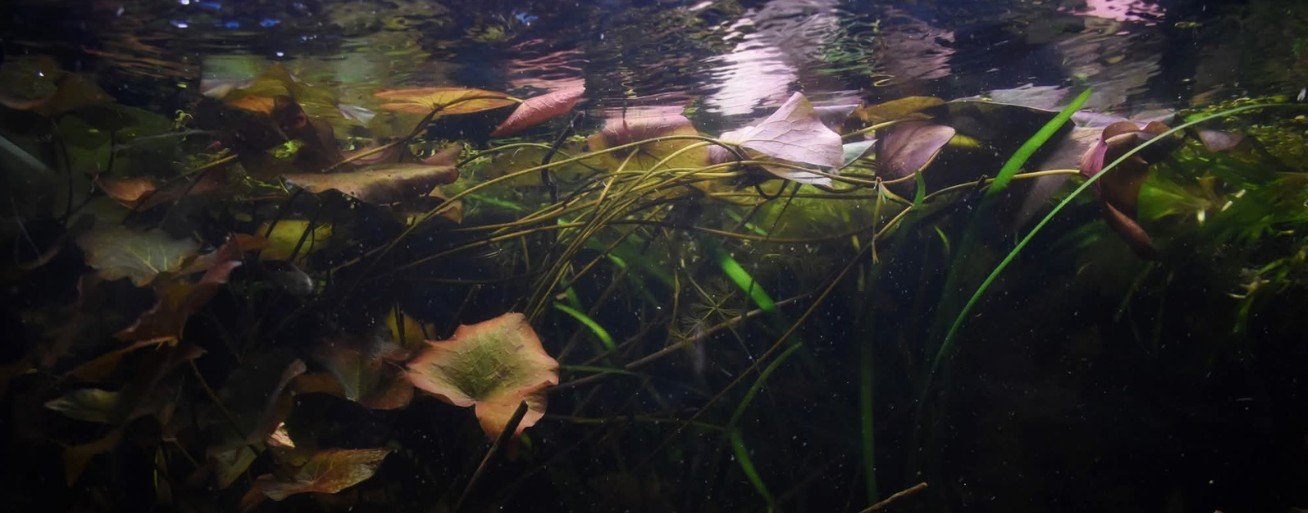
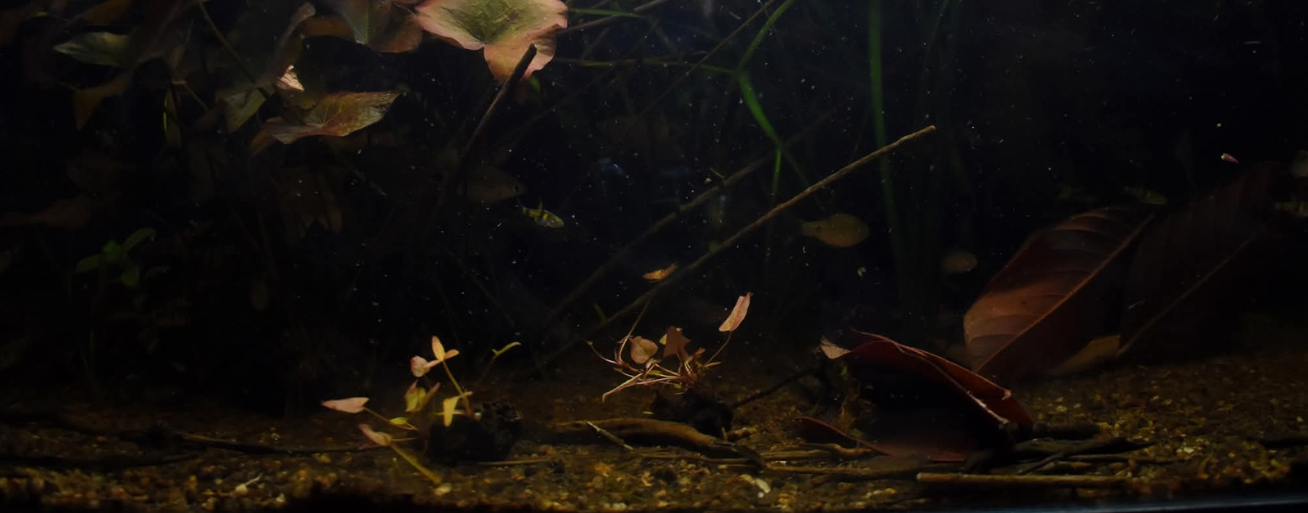 © Sourav Ghosh
6. Island Style (Convex Layout Concept)
The island layout is a design concept derived from Nature Style aquascaping and refined by modern aquascapers influenced by Takashi Amano.
Concept:
A central mound or “island” surrounded by open space.
Key Features:
- Strong central focal point
- Sloping substrate toward edges
- Balanced use of plants and hardscape
- Clear visual separation
This layout is widely used for its strong visual impact.
 AI Generated
7. Brazilian Style Aquascaping (The Art of Color & Plant Diversity)
Brazilian Style Aquascaping emerged through the influence of modern Brazilian aquascapers who combined nature-inspired layouts with vibrant aquatic plant compositions. It has gained worldwide recognition for its bold use of colors, textures, and plant variety.
Concept:
A visually striking aquascape that blends lush plant diversity, vibrant colors, and dynamic layouts while maintaining a natural balance.
Key Features:
- Rich diversity of aquatic plants
- Vibrant green, red, and orange plant combinations
- Strong depth and layered composition
- Balanced use of wood and rocks
- Natural yet artistic layout with a prominent focal point
This style celebrates the incredible diversity of aquatic plants, creating colorful underwater landscapes that are both natural and visually captivating.
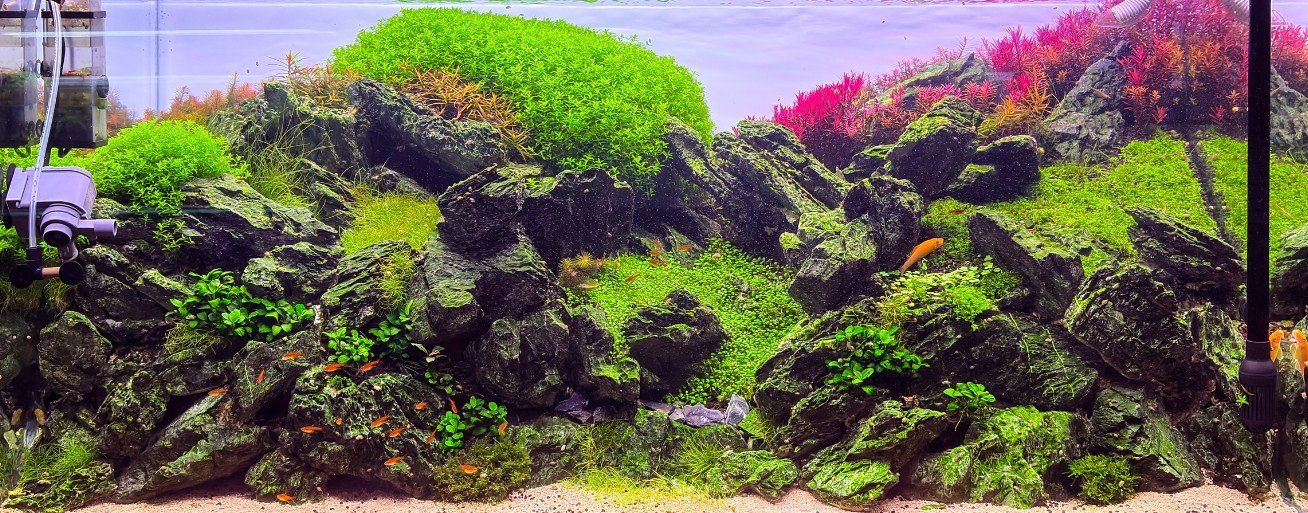
“Canyon of Serenity” by TiCi NatureLab
Choosing the Right Aquascaping Style
Each aquascaping style offers a different experience.
Your choice should depend on your design preference, available time and level of maintenance you’re comfortable with.
Core Elements in Freshwater Aquascaping
Regardless of style, every aquascape relies on a few essential components:
- Hardscape elements like rocks and driftwood
- Aquatic plants for structure and oxygen
- Nutrient-rich substrate
- Proper lighting
- CO2 if required ( especially in high-tech tanks)
- Efficient filtration system
Balancing these elements ensures both visual appeal and ecological stability.
Common Mistakes to Avoid
- Overcrowding the layout
- Ignoring plant growth patterns
- Poor lighting setup
- Lack of a clear focal point
- Inconsistent maintenance
A well-planned aquascape always performs better than a cluttered one.
Conclusion
Aquascaping styles for freshwater tanks have evolved through a mix of artistic vision, cultural influence and ecological understanding. From the structured Dutch style to the nature-inspired layouts of Takashi Amano, each approach offers a unique way to design underwater environments.
Understanding the origin of these styles helps in applying them more effectively. In the end, a successful aquascape is not just about appearance. It is about creating a balanced system that continues to grow and evolve over time.
Transform your ideas into stunning underwater landscapes, explore professional aquascaping services and custom ecosystem designs at TiCi NatureLab Services.