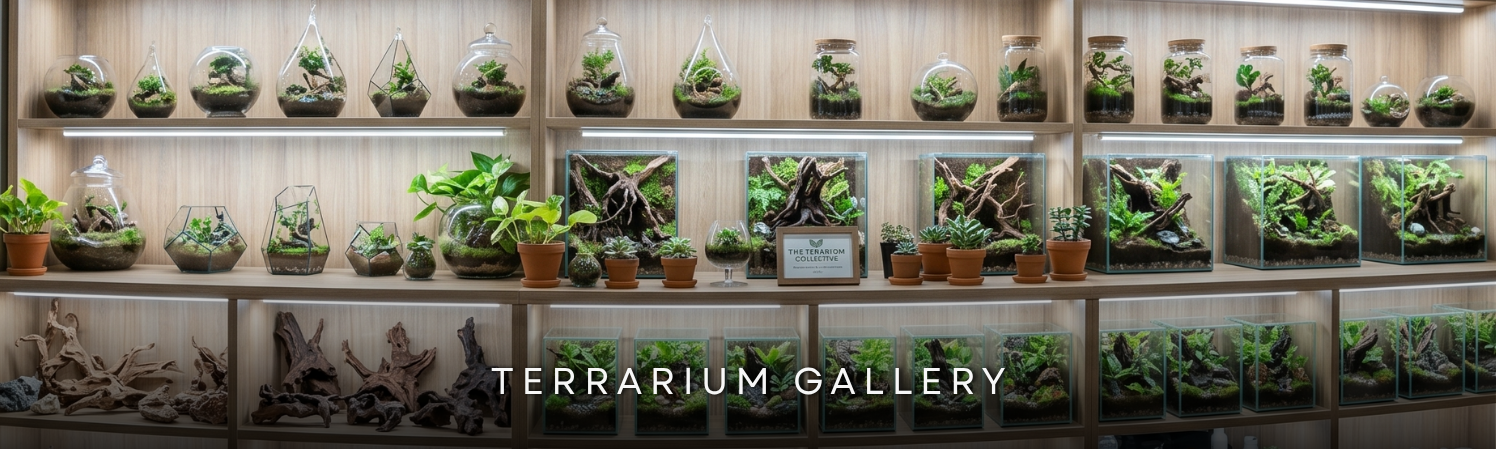
Miniature ecosystems in glass offer a simple way to bring a piece of nature into everyday spaces. These setups, commonly known as terrariums, are more than just decorative containers. They are living systems where plants, moisture and microorganisms quietly work together to maintain balance.
You might notice, after a few days, tiny droplets forming on the inner surface of the glass. That’s not by chance. It’s the ecosystem regulating itself, repeating a natural cycle on a very small scale.
Whether placed on a desk, a shelf or part of a larger interior concept, a well-built terrarium adds both visual calm and ecological value.
Post Views: 180
Discovering Terrariums: Where It All Began
The idea of growing plants inside glass dates back to the 19th century. Botanist Nathaniel Bagshaw Ward observed that plants could survive in sealed containers while he was studying insects. This led to the creation of enclosed glass cases used to transport plants across long distances.
Over time, this concept evolved into what we now call terrariums. While the design has become more refined, the core principle remains the same, a self-sustaining environment that depends on balance rather than constant care.
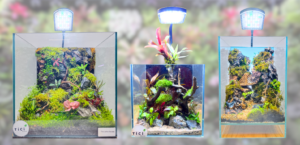
What Is a Terrarium?
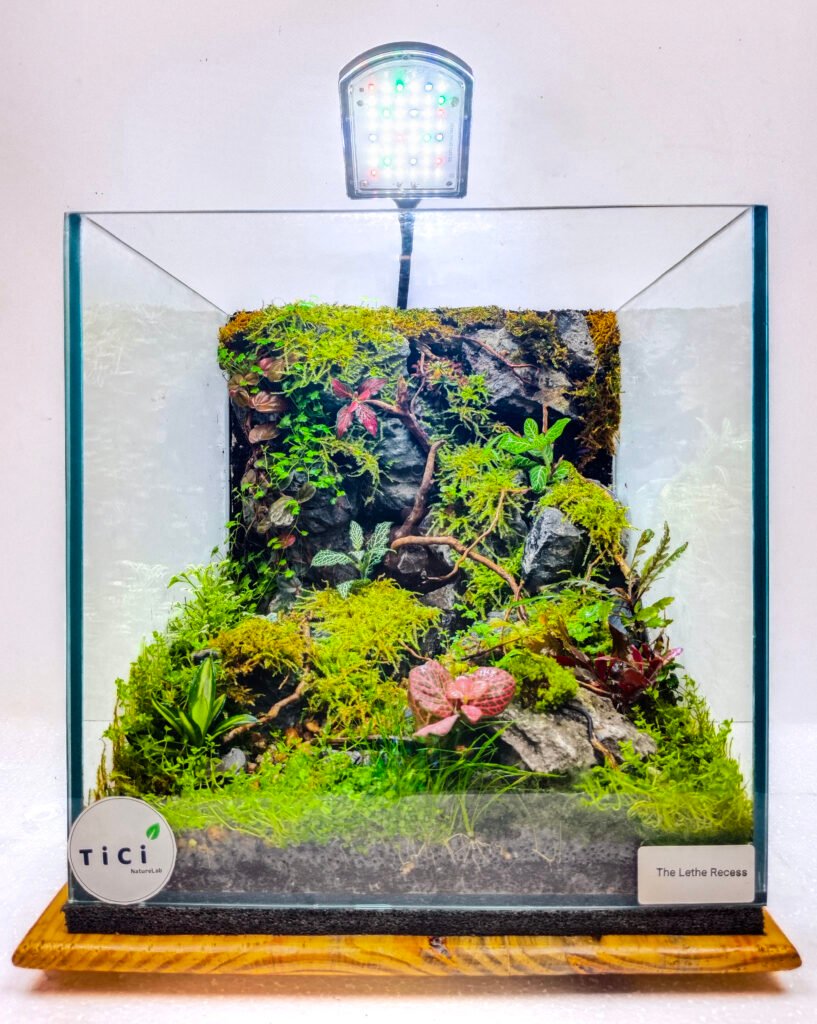
A terrarium is a miniature terrestrial ecosystem created inside a glass container. It combines soil, plants and controlled moisture to replicate natural processes in a compact space.
Unlike other types of enclosed environments, terrariums are strictly land-based. This makes them easier to maintain and more stable when the right conditions are set from the beginning.
How a Terrarium Works
Even within a small container, the system follows the same cycles found in nature.
- Plants use light to produce energy and release oxygen
- Microorganisms break down organic matter, enriching the soil
- Moisture evaporates, condenses on the glass and returns to the soil
- Gases are exchanged within the enclosed environment
Once balanced, the system begins to regulate itself. This is why many terrariums can go weeks or even months without needing much attention.
Types of Terrariums
Closed Terrariums
Closed terrariums are sealed environments that hold moisture inside. They are ideal for plants that prefer humidity, such as mosses and small tropical varieties. These are usually the easiest to maintain once they settle.
Open Terrariums
Open terrariums allow airflow and are better suited for plants that prefer drier conditions, like succulents. They require a bit more monitoring, especially when it comes to watering.
Why Miniature Ecosystems in Glass Are So Popular
They’re Low Maintenance: Once stable, especially in closed setups, they don’t demand constant care.
They Fit Anywhere: A small glass container can easily sit on a desk or shelf without taking up space.
They Evolve Over Time: Unlike static decor, terrariums change subtly as plants grow and adjust.
They Make Ecology Visible: You can actually see natural cycles happening, which is rare in most indoor settings.
They Create a Calming Presence: There’s something quietly grounding about watching a self-contained system thrive.
What Goes Into a Healthy Terrarium
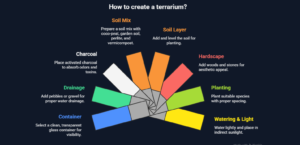
A successful setup depends on how well each layer is planned.
- A clear glass container for light and visibility
- A drainage base to prevent water from collecting at the roots
- A thin charcoal layer to keep the environment fresh
- Nutrient-rich soil suited to the plants
- Carefully chosen plant species
- Controlled moisture to maintain balance
Each element plays a role, and skipping one often leads to problems later.
(Bring a piece of nature into your home with our beautifully crafted Terrariums — miniature living ecosystems designed to add freshness, elegance, and tranquility to any space at TiCi Terrariums)
After setup, it’s best to leave it undisturbed for a few days. This helps the system settle naturally.
Choosing the Right Plants
Plant selection makes or breaks a terrarium.
Closed setups work best with moisture-loving plants like moss, ferns and fittonia. Open setups are better suited for succulents or plants that prefer drier air.
Mixing plants with different needs usually leads to imbalance, so it’s better to keep conditions consistent.
Common Mistakes to Watch For
- Adding too much water at the start
- Choosing plants that don’t share the same environment
- Skipping the drainage layer
- Placing the terrarium in direct sunlight
- Ignoring early signs like fogging or mold
Most issues are easy to fix if noticed early.
Terrariums in Interior Spaces
Terrariums are now widely used in offices, retail environments and hospitality spaces. They offer a controlled way to introduce greenery without the upkeep of larger installations.
Their compact form and natural appearance make them suitable for both minimal and detailed design settings.
A Small Step Toward Sustainability
Terrariums show how little is actually needed to sustain a living system. With minimal water and no constant intervention, they highlight the importance of balance over excess.
They also shift the focus from decoration to interaction, even if that interaction is just quiet observation.
Conclusion
Miniature ecosystems in glass are a blend of simplicity and complexity. At a glance, they look like small decorative setups. But over time, they reveal how natural systems function, adapt and sustain themselves. A well-designed terrarium doesn’t demand attention, it earns it. It grows quietly, adjusts on its own and becomes a small, self-contained world that fits almost anywhere. And once you start noticing those tiny changes, you begin to see it less as an object and more as a living system doing exactly what it’s meant to do.
Bring nature closer to your space—explore handcrafted terrariums and create your own miniature ecosystem with TiCi NatureLab Shop.