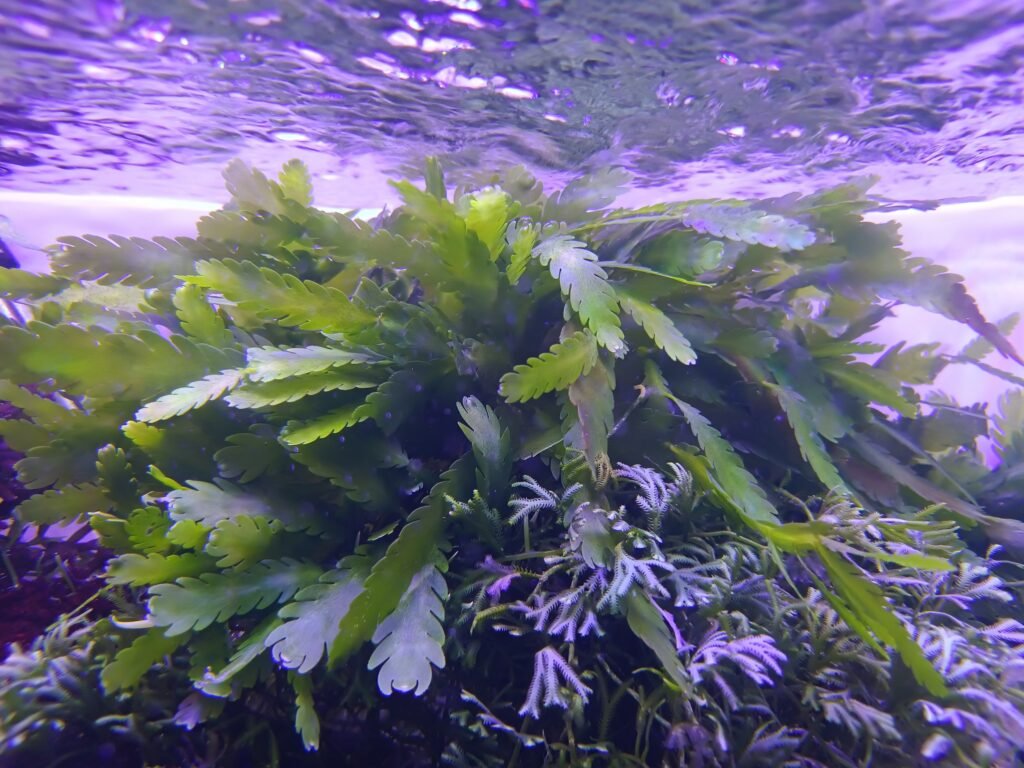
Macroalgae, commonly referred to as large or multicellular algae, are increasingly gaining attention in aquarium systems for their ecological benefits and visual appeal. Unlike nuisance microalgae, macroalgae are deliberately cultivated to enhance water quality, support nutrient cycling, and create naturalistic aquascapes. Their application is particularly prominent in marine aquariums, though some species are also used in brackish systems.
- Marine Aquariums
- May 12, 2026
- 104 views
Macroalgae in Aquariums: A Functional and Aesthetic Addition
What Are Macroalgae?
Macroalgae are photosynthetic organisms that grow in visible, plant-like forms. They differ from higher aquatic plants in structure and reproduction but perform similar ecological roles, such as nutrient uptake and oxygen production. Common groups include green algae (Chlorophyta), red algae (Rhodophyta) and brown algae (Phaeophyceae).
Benefits of Macroalgae in Aquariums
- Natural Nutrient Control: Macroalgae absorb excess nutrients such as nitrates and phosphates from the water. This helps in reducing the risk of harmful algal blooms and maintaining overall water quality.
- Oxygenation and Biological Balance: Through photosynthesis, macroalgae contribute to oxygen production, supporting fish and invertebrate health.
- Habitat and Shelter: Dense growth of macroalgae provides shelter and breeding grounds for small fish, shrimp and beneficial microorganisms, enhancing biodiversity within the aquarium.
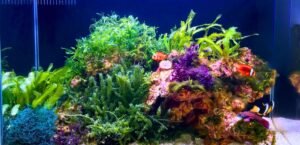
- Aesthetic Value: Macroalgae add texture, color and movement to aquascapes. Species vary from leafy and branching structures to feather-like fronds,allowing for creative design.
Common Macroalgae Used in Aquariums
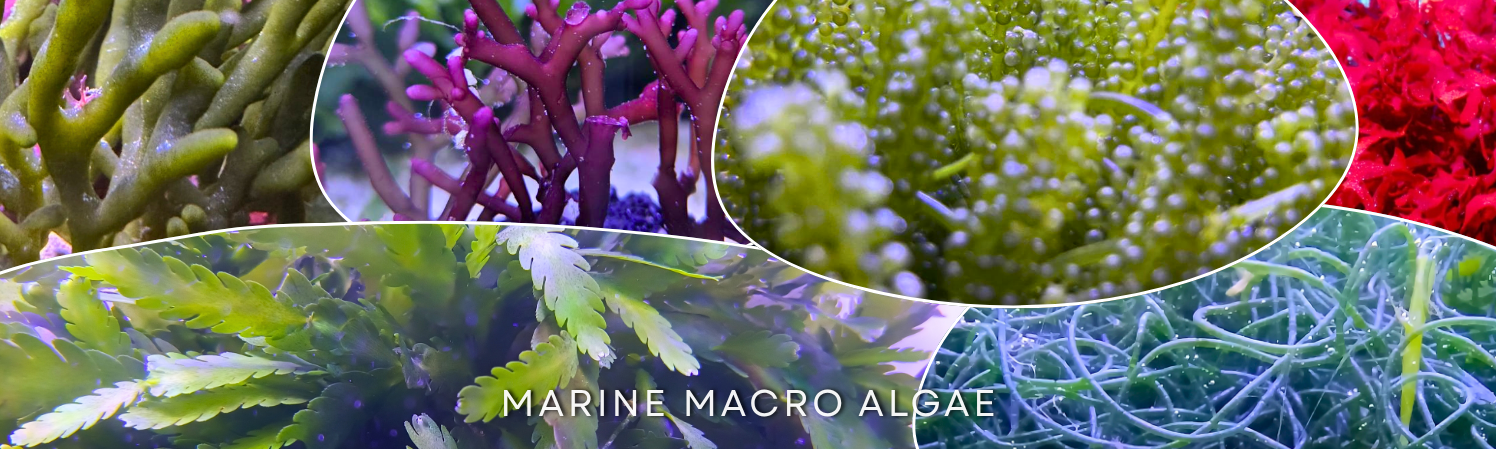
- Chaetomorpha linum: Often used in refugiums for nutrient export due to its fast growth
- Caulerpa prolifera: Known for its grass-like appearance and rapid spread
- Gracilaria sp.: Provides a striking red coloration and is popular in reef tanks
- Ulva lactuca: A bright green, sheet-like algae that grows quickly under proper conditions
(Discover the beauty and balance of marine ecosystems, explore custom aquarium solutions and aquatic life inspiration at TiCi Marine Aquariums.)

Refugium vs Display Tank Use
Macroalgae are commonly grown in a refugium, a separate compartment connected to the main aquarium. This allows for controlled nutrient removal without affecting the visual layout. However, many aquarists also incorporate macroalgae directly into display tanks for decorative and functional purposes.
Challenges and Considerations
- Some species, particularly Caulerpa, can grow aggressively and require regular pruning
- Sudden die-off may release absorbed nutrients back into the water
- Proper lighting balance is necessary to prevent unwanted algae competition
Conclusion
Macroalgae play a vital role in creating balanced and sustainable aquarium ecosystems. By integrating biological filtration with aesthetic design, they offer a natural solution to nutrient management while enhancing visual diversity. Whether used in refugiums or display tanks, macroalgae represent an effective and eco-friendly approach to modern aquarium keeping.
(From stunning aquascapes to immersive nature-inspired installations, our services are crafted to bring creativity, sustainability and living ecosystems into every space. Explore everything we offer at TiCi Nature Lab Services)